

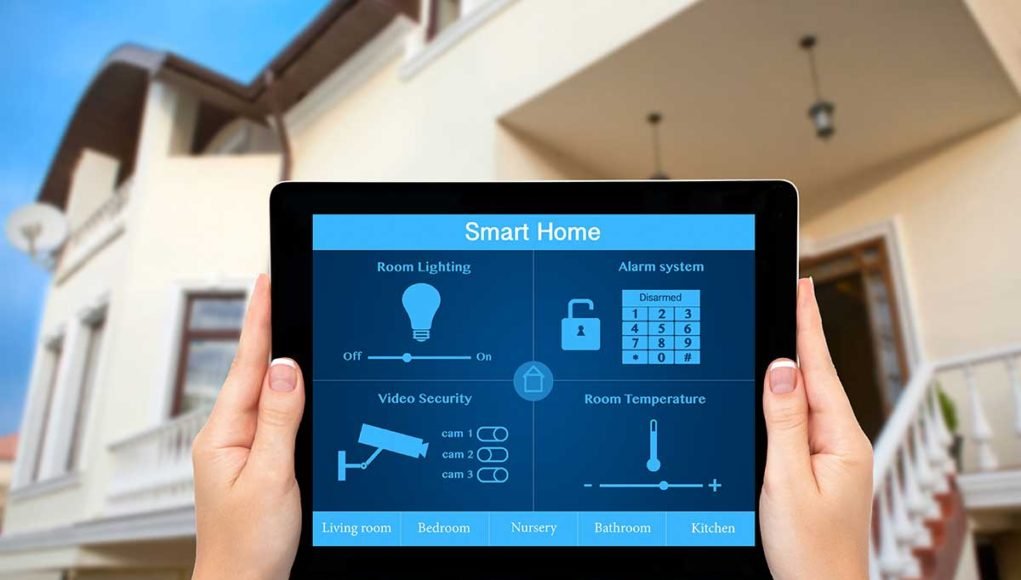
In recent years, the concept of the smart home has evolved from a futuristic dream to a tangible, everyday reality. The integration of technology into the home environment is no longer a luxury, but a necessity for those seeking to enhance comfort, security, and efficiency. While smart homes have become synonymous with convenience, the success of any smart home hinges not just on individual devices, but on a coherent and strategic approach to integrating technology across all aspects of home life. This is where a solid tech-driven strategy becomes invaluable. Simply installing the latest gadgets is no longer enough to create a functional and harmonious smart home experience. Instead, it requires careful planning, an understanding of the interconnectedness of devices, and the foresight to anticipate how these technologies will evolve over time. In this article, we explore why your smart home strategy needs to be built on a foundation of thoughtful tech planning and how such an approach ensures your home operates seamlessly, efficiently, and sustainably.
The Growing Need for Smart Home Integration
The rapid rise of smart home technologies is a testament to their growing impact on daily life. From voice-controlled assistants to intelligent thermostats, the possibilities are vast. However, as the number of smart devices continues to grow, so too does the complexity of managing them. Each device operates independently, and without a cohesive strategy, they may fail to deliver the seamless experience that many homeowners envision.
A smart home strategy rooted in tech integration ensures that devices do more than just work individually; they work together to form a cohesive ecosystem. This interconnectedness is essential for a smooth and efficient living experience. For instance, a smart thermostat can learn your daily routines and adjust temperatures accordingly, while smart lighting can automate mood lighting and adjust to your preferences. However, without a central platform to manage these devices, the potential of such technologies remains largely untapped.
Centralized Control: The Backbone of Smart Homes
One of the primary reasons a smart home strategy needs tech is the importance of centralized control. Imagine a scenario where your home is equipped with multiple smart devices—smart lights, locks, security cameras, appliances, and climate control systems—but none of them can communicate with each other. While each device may function as intended, the experience will be disjointed and cumbersome, requiring you to juggle multiple apps and interfaces.
A tech-driven strategy involves selecting the right hub or platform that can connect all these devices into a single, easy-to-use interface. Whether it’s through a voice assistant like Amazon Alexa or Google Assistant, or a more dedicated smart home hub like Samsung SmartThings, having a central control point allows homeowners to easily manage their entire home ecosystem. A unified approach ensures that devices operate in sync, creating a seamless, automated environment that responds to your needs without the need for constant manual intervention.
For instance, with a well-planned strategy, you can set up “scenes” or “routines” where a single command can trigger a series of actions. A “Good Morning” routine could turn on the lights, adjust the thermostat, and start the coffee maker, all with a simple voice command or press of a button. In contrast, without an integrated strategy, each action would require a separate command, defeating the purpose of automation and diminishing the overall convenience of a smart home.
Enhanced Security and Privacy
As more devices are added to the home, security and privacy concerns inevitably arise. Without a tech strategy that places an emphasis on security, the convenience of having a smart home can quickly turn into a vulnerability. Devices such as smart cameras, doorbell cameras, and even connected door locks can be prone to hacking if not properly secured, creating potential risks to your personal safety and privacy.
A well-thought-out tech strategy ensures that these devices are securely integrated into the home’s network. It’s not just about installing the latest security cameras, but also about making sure that the home’s Wi-Fi network is secure, devices are regularly updated, and passwords are strong and unique. Smart home systems can also be configured to alert homeowners about potential breaches, or to lock down devices remotely in case of suspicious activity.
Moreover, privacy management becomes a priority in a smart home strategy. Many smart devices collect data on your habits, preferences, and daily routines, and while this information can enhance user experience, it also raises concerns about data privacy. A comprehensive strategy involves understanding how each device handles your data, ensuring that only necessary information is shared, and using encryption or other privacy-focused technologies to safeguard sensitive data.
Energy Efficiency and Sustainability
Beyond convenience and security, one of the most compelling reasons to invest in a tech-driven smart home strategy is its ability to improve energy efficiency and contribute to sustainability. Smart homes provide the tools to manage energy consumption in a more intelligent and effective way. Devices like smart thermostats, lighting systems, and appliances can adjust their usage based on real-time conditions, leading to significant energy savings.
For instance, a smart thermostat like the Nest Learning Thermostat can analyze your behavior patterns and adjust heating or cooling to match your schedule. It can also turn off or adjust the temperature when the house is empty, helping to reduce wasted energy. Similarly, smart lighting systems can automatically dim or turn off lights when rooms are unoccupied, while smart plugs can monitor energy usage for connected appliances.
A tech-based strategy ensures that these devices work together to optimize energy consumption. By using data analytics and machine learning, a well-planned strategy can offer insights into where energy is being wasted and suggest actionable improvements. This not only helps reduce your carbon footprint but also lowers utility bills, making your smart home more sustainable in both economic and environmental terms.
Future-Proofing Your Smart Home
Another critical aspect of having a tech-focused smart home strategy is the ability to future-proof your investment. The pace of technological innovation in the smart home industry is rapid, with new devices and capabilities being introduced regularly. A smart home strategy that incorporates scalable solutions and is adaptable to new technologies ensures that your home remains up-to-date and relevant over time.
Tech-driven strategies take into account the long-term evolution of smart home devices. For example, choosing devices that support future updates or can integrate with newer platforms ensures that your smart home will not become obsolete after a few years. In addition, planning for future upgrades and expansions, such as incorporating 5G or new energy-efficient devices, allows you to make incremental improvements without the need for complete overhauls.
This future-proofing element is crucial not just for maintaining functionality, but for ensuring that the home continues to evolve in line with your needs. As family dynamics change, or as you adopt new habits, a strategic approach to smart home technology allows for easy reconfiguration and adaptation.
Conclusion: A Strategic Tech Investment for Your Home’s Future
As smart home technology becomes more ubiquitous, it’s easy to get caught up in the excitement of the latest gadgets and devices. However, it’s important to remember that the true value of a smart home lies not in individual devices, but in the cohesive and thoughtful integration of these technologies into your daily life. A solid smart home strategy based on robust tech infrastructure ensures that devices are not just added for the sake of novelty, but are integrated in a way that optimizes efficiency, security, and convenience.
From centralizing control through a unified platform to ensuring the security and privacy of connected devices, a well-planned tech strategy enables your home to function as a cohesive and intelligent ecosystem. It allows for greater energy efficiency, a more personalized living experience, and the ability to adapt and evolve with changing technological trends. Ultimately, your smart home is an investment in the future—one that requires careful planning and a tech-savvy strategy to maximize its potential.
