

Building or upgrading a home isn’t just about what works today—it’s about creating a space that continues to meet your needs well into the future. Whether your family is growing, your lifestyle is changing, or you’re thinking long-term about resale value, future-proofing your home is a smart move.
In Australia, where housing is a significant investment, designing with longevity in mind can save you time, money, and stress down the track. Here’s how to approach it the right way.
What Does “Future-Proofing” Really Mean?
Future-proofing your home means designing it in a way that adapts to your changing needs over time. It’s about flexibility, functionality, and making choices now that reduce the need for major changes later.
This could include:
- Designing adaptable living spaces
- Planning for energy efficiency
- Allowing for extensions or upgrades
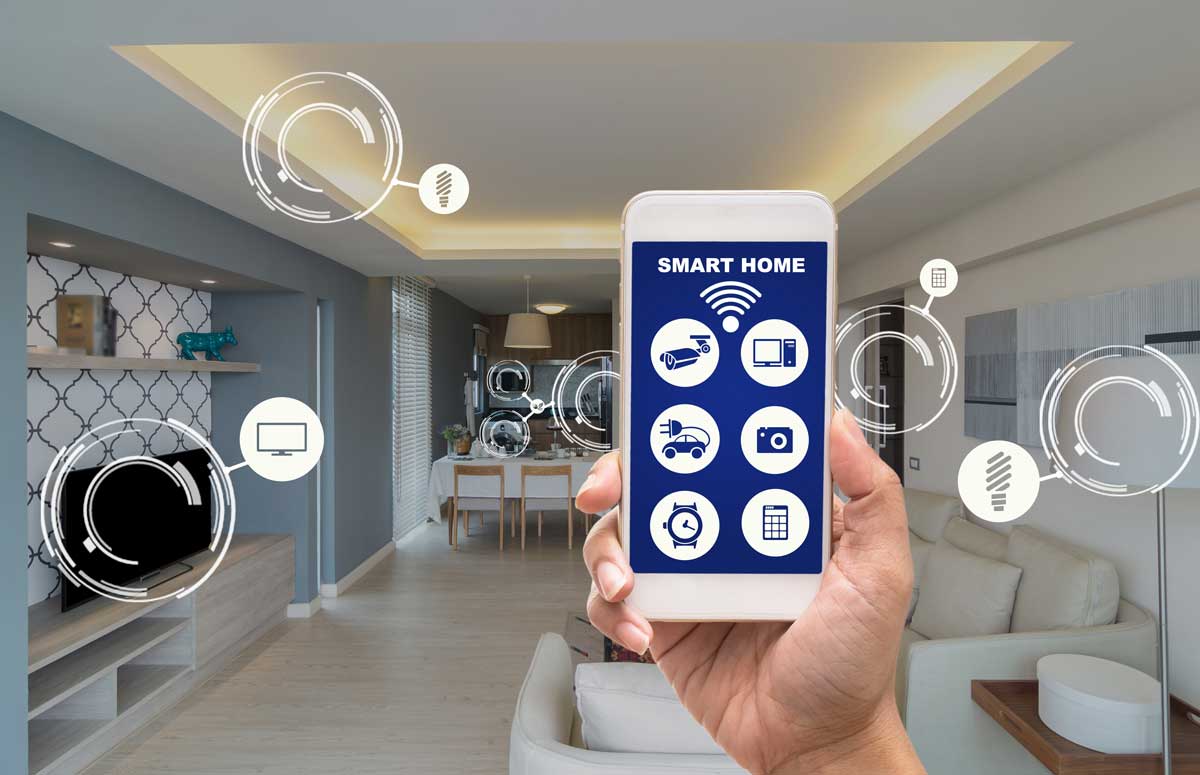
- Incorporating smart technology
Working with an experienced custom home builder in Mandurah can help ensure these considerations are built into your home from the very beginning.
Design Flexible Living Spaces
One of the most effective ways to future-proof your home is by creating spaces that can serve multiple purposes.
Think Beyond Fixed Rooms
Instead of designing rooms with a single use, consider how they might evolve. For example:
- A nursery that later becomes a study
- A guest room that doubles as a home office
- Open-plan areas that can be zoned as needed
Flexible layouts allow your home to adapt as your lifestyle changes—without the need for major renovations.
Plan for Vertical Living
With land sizes shrinking in many parts of Australia, building up rather than out is becoming increasingly popular.
Why It Matters
Vertical living can help you:
- Maximise space on smaller blocks
- Create separation between living and private areas
- Future-proof for growing families
Exploring tailored three storey home designs is a great way to ensure your home remains functional, even as your needs expand over time.
Prioritise Energy Efficiency
Energy efficiency isn’t just good for the environment—it’s essential for long-term cost savings.
Smart Design Choices
Consider incorporating:
- Proper insulation and glazing
- Solar panels and energy-efficient appliances
- Passive design principles (orientation, ventilation, shading)
These features can significantly reduce your ongoing energy bills while making your home more comfortable year-round.
Allow for Future Extensions
Even if you’re not planning to expand your home now, it’s worth designing with that possibility in mind.
How to Plan Ahead
- Leave space on your block for future additions
- Consider structural provisions for extra levels or extensions
- Plan plumbing and electrical layouts with flexibility
This approach makes future upgrades far more straightforward—and often more cost-effective.
Incorporate Smart Technology
Technology is evolving quickly, and homes are becoming smarter as a result.
Future-Ready Features
- Smart lighting and climate control
- Security systems with remote access
- Integrated home automation
Even if you don’t install everything upfront, ensuring your home is wired for future upgrades can save you hassle later.
Design for Accessibility
Future-proofing isn’t just about space—it’s also about usability.
Key Considerations
- Wider doorways and hallways
- Step-free entries
- Bathrooms that can be easily adapted
These features are particularly important if you’re planning to stay in your home long-term or accommodate multi-generational living.
Don’t Overlook Storage
Storage is often underestimated—but it becomes increasingly important over time.
Smart Storage Solutions
- Built-in cabinetry
- Under-stair storage
- Walk-in pantries and wardrobes
Well-designed storage keeps your home organised and functional, even as your needs grow.
When Renovation Can Help Future-Proof Your Home
If you’re not building from scratch, you can still future-proof your home through thoughtful upgrades.
A tailored approach to home renovation allows you to:
- Improve layout and flow
- Upgrade outdated systems
- Add flexible or multi-purpose spaces
Renovations can be a practical way to bring an older home in line with modern living requirements—without starting from scratch.
Balance Trends with Timeless Design
It’s easy to get caught up in current design trends, but future-proof homes strike a balance between style and longevity.
Tips for Timeless Design
- Choose neutral base colours
- Invest in quality materials
- Avoid overly niche design features
This ensures your home remains appealing and functional for years to come.
Common Mistakes to Avoid
When planning for the future, watch out for these common pitfalls:
- Designing only for your current lifestyle
- Underestimating future space needs
- Ignoring energy efficiency
- Overcomplicating layouts
Taking a long-term view helps you avoid costly changes later.
Final Thoughts
Future-proofing your home is about making smart, strategic decisions that stand the test of time.
Whether you’re building new or upgrading an existing property, focusing on flexibility, efficiency, and functionality can ensure your home continues to work for you—no matter how your lifestyle evolves.
By planning ahead and working with experienced professionals, you can create a home that not only meets your needs today but supports your life well into the future.
