

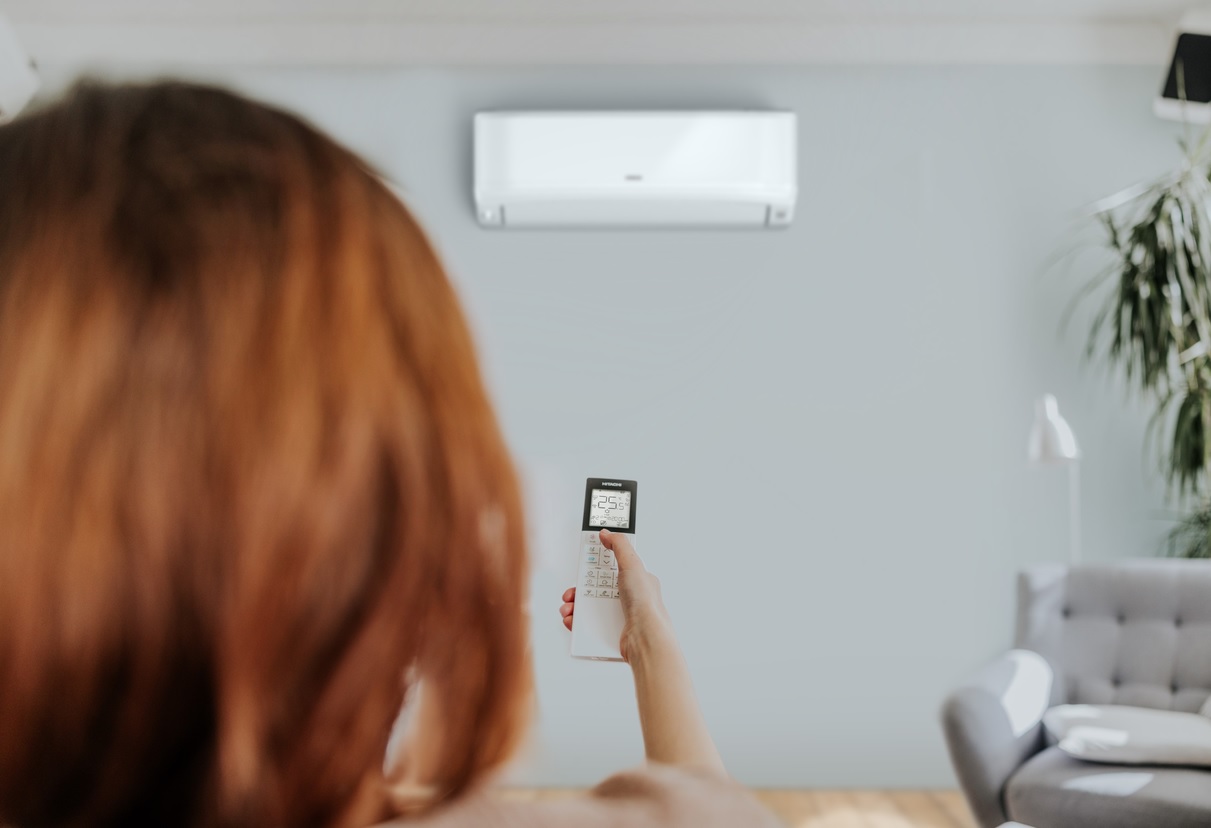
Energy efficiency isn’t just about lowering your power bill—it’s about creating a comfortable, sustainable home that performs well year-round. In Perth, where temperatures can swing from scorching summers to cool, damp winters, an inefficient home can quickly become uncomfortable and expensive to maintain.
The challenge is that many homeowners don’t realise their home is underperforming until the costs start adding up. The good news? There are clear signs to look out for—and practical steps you can take to improve efficiency without a full renovation.
Why Energy Efficiency Matters in Perth Homes
With Perth’s long, hot summers, cooling systems often run for hours at a time. If your home isn’t energy efficient, your air conditioner has to work harder than necessary, leading to:
- Higher electricity bills
- Uneven indoor temperatures
- Increased wear and tear on your system
- Reduced overall comfort
Improving efficiency isn’t just about cutting costs—it’s about making your home easier to live in.
Sign #1: Your Energy Bills Keep Rising
One of the most obvious indicators is a steady increase in your electricity bills, even when your usage hasn’t changed significantly.
This often points to:
- Poor insulation
- Air leaks around doors and windows
- Inefficient appliances or systems
If your cooling system is contributing to higher costs, it may be worth reviewing its performance with experts in air conditioning solutions in Perth.
Sign #2: Uneven Temperatures Throughout the Home
Do some rooms feel like a fridge while others remain warm? Uneven cooling is a common issue in inefficient homes.
This can be caused by:
- Poor insulation
- Blocked vents or ducts
- Incorrect system sizing
Addressing airflow and system performance can significantly improve comfort levels.
Sign #3: Your Air Conditioner Runs Constantly
If your air conditioning seems to be working non-stop without achieving the desired temperature, it’s a sign something isn’t right.
Possible causes include:
- Dirty filters
- Refrigerant issues
- Poor insulation allowing cool air to escape
Scheduling a check through a provider offering air conditioning servicing in Perth can help identify and fix inefficiencies before they worsen.
Sign #4: Drafts and Air Leaks
Even in a warm climate like Perth, drafts can be a major source of energy loss.
Common areas to check include:
- Gaps around windows and doors
- Poorly sealed vents
- Cracks in walls or ceilings
These small openings allow cool air to escape and warm air to enter, forcing your system to work harder.
Sign #5: Excessive Dust Build-Up
If your home seems to collect dust quickly, it could be a sign of poor airflow or filtration.
This often indicates:
- Dirty air filters
- Leaky ductwork
- Inadequate ventilation
In some cases, underlying issues may require attention from professionals experienced in air conditioning repairs to restore proper airflow and filtration.
Sign #6: Poor Insulation
Insulation plays a crucial role in maintaining indoor temperatures. Without it, your home struggles to retain cool air in summer and warmth in winter.
Signs of poor insulation include:
- Rapid temperature changes
- Hot ceilings or walls
- Difficulty maintaining a stable indoor temperature
Upgrading insulation can have a significant impact on energy efficiency.
What You Can Do to Improve Energy Efficiency
Once you’ve identified the signs, the next step is taking action. The good news is that many improvements are straightforward and cost-effective.
Seal Gaps and Improve Insulation
Start by addressing the simplest fixes:
- Use weather stripping around doors and windows
- Seal cracks and gaps
- Upgrade ceiling insulation if needed
These changes can immediately reduce energy loss.
Maintain Your Air Conditioning System
Your air conditioner is one of the biggest contributors to energy use in Perth homes.
To keep it running efficiently:
- Clean or replace filters regularly
- Schedule routine servicing
- Ensure vents are not blocked
A well-maintained system uses less energy and provides more consistent cooling.
Use Smart Temperature Settings
Setting your thermostat too low won’t cool your home faster—it just increases energy use.
- Aim for 24–26°C in summer
- Use timers or programmable settings
Small adjustments can lead to noticeable savings.
Upgrade Older Systems
If your air conditioning system is more than 10–15 years old, it may be time to consider an upgrade.
Modern systems are:
- More energy-efficient
- Quieter
- Better at maintaining consistent temperatures
While the upfront cost may be higher, the long-term savings often make it worthwhile.
Improve Ventilation
Good airflow helps regulate temperature and reduce the build-up of pollutants.
- Open windows when conditions allow
- Use exhaust fans in kitchens and bathrooms
- Ensure vents are clear
Proper ventilation supports both energy efficiency and indoor air quality.
Long-Term Benefits of an Energy-Efficient Home
Making your home more energy efficient isn’t just about immediate savings—it offers long-term advantages as well.
- Lower energy bills
- Increased property value
- Improved comfort year-round
- Reduced environmental impact
Over time, even small improvements can add up to significant benefits.
Common Mistakes to Avoid
Ignoring Early Warning Signs
Small inefficiencies can quickly become bigger problems if left unchecked.
Overworking Your System
Running your air conditioner at very low temperatures increases strain and energy use.
Skipping Maintenance
Regular servicing is essential for keeping systems efficient.
Focusing Only on One Area
True efficiency comes from addressing insulation, airflow, and system performance together.
Final Thoughts
An energy-efficient home isn’t just a nice-to-have in Perth—it’s essential for staying comfortable and keeping costs under control. By recognising the signs of inefficiency and taking practical steps to address them, you can create a home that performs better in every season.
Whether it’s sealing gaps, upgrading insulation, or maintaining your air conditioning system, a proactive approach will always pay off—both in comfort and in your energy bills.
