

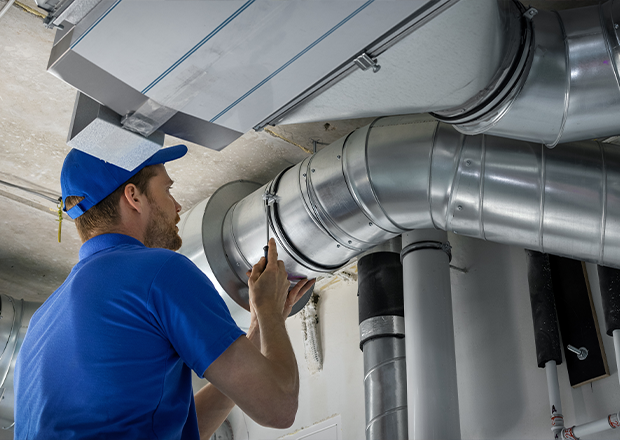
Modern buildings depend on HVAC systems to maintain comfort, safety, and indoor air quality throughout the year. Whether it’s keeping a home warm in winter or ensuring clean airflow in a commercial space, HVAC plays a critical role in daily life. This guide explains how HVAC works, why it matters, and how to choose and maintain the right system.
What Is HVAC?
HVAC stands for Heating, Ventilation, and Air Conditioning. It refers to the integrated technologies used to control:
-
Temperature
-
Humidity
-
Air cleanliness
-
Air circulation
Together, these elements create a comfortable and healthy indoor environment in homes, offices, hospitals, and industrial facilities.
Core Components of an HVAC System
Heating
Heating systems provide warmth during colder months. Common options include:
-
Furnaces (gas, electric, or oil-powered)
-
Boilers (hot water or steam-based)
-
Heat pumps (dual heating and cooling functionality)
Ventilation
Ventilation ensures fresh air enters the building while stale air exits. Proper ventilation helps reduce:
-
Indoor pollutants
-
Excess moisture
-
Odors and airborne contaminants
Ventilation systems may be natural (windows and vents) or mechanical (fans, ducts, and air handlers).
Air Conditioning
Air conditioning removes heat and humidity from indoor air. It improves comfort and protects electronics, furniture, and building materials from moisture damage.
Why HVAC Systems Are Essential
An efficient HVAC system does more than regulate temperature. Key benefits include:
-
Improved indoor air quality
-
Consistent comfort year-round
-
Energy efficiency and cost control
-
Protection against mold and allergens
-
Enhanced productivity in workplaces
In commercial settings, HVAC systems also help meet safety and building code requirements.
Types of HVAC Systems
Split Systems
The most common residential option, featuring indoor and outdoor units connected by refrigerant lines.
Packaged Systems
All components are housed in a single unit, often used in commercial buildings or homes with limited indoor space.
Ductless Mini-Split Systems
Ideal for room-by-room temperature control without ductwork.
Hybrid HVAC Systems
Combine traditional heating with electric heat pumps to reduce energy consumption.
Energy Efficiency and HVAC
Energy efficiency is a major consideration when selecting an HVAC system. Look for:
-
High SEER ratings for cooling efficiency
-
High AFUE ratings for heating performance
-
Smart thermostats for precise control and scheduling
-
Proper insulation and sealed ductwork
An efficient system lowers utility bills while reducing environmental impact.
HVAC Installation and Maintenance
Professional Installation
Correct installation ensures:
-
Optimal system performance
-
Reduced energy waste
-
Longer equipment lifespan
Poor installation can lead to uneven temperatures, frequent breakdowns, and higher costs.
Routine Maintenance
Regular maintenance keeps HVAC systems running efficiently. Best practices include:
-
Replacing air filters every 1–3 months
-
Cleaning coils and vents
-
Checking refrigerant levels
-
Scheduling annual professional inspections
Preventive care helps avoid expensive repairs and unexpected downtime.
Choosing the Right HVAC System
When selecting an HVAC system, consider:
-
Building size and layout
-
Local climate conditions
-
Energy efficiency goals
-
Budget and long-term operating costs
-
Noise levels and indoor air quality needs
A properly sized system performs better and lasts longer than an oversized or undersized unit.
The Future of HVAC Technology
HVAC technology continues to evolve with a focus on sustainability and automation. Emerging trends include:
-
Smart HVAC systems with AI-driven controls
-
Eco-friendly refrigerants
-
Integration with renewable energy sources
-
Advanced air purification technologies
These innovations aim to improve comfort while reducing energy use and emissions.
Frequently Asked Questions (FAQs)
What does HVAC mean in simple terms?
HVAC refers to the systems used to heat, cool, and ventilate indoor spaces for comfort and air quality.
How long does an HVAC system typically last?
Most systems last 15–25 years, depending on usage, maintenance, and system quality.
How often should HVAC filters be replaced?
Filters should generally be replaced every 1–3 months, depending on air quality and usage.
Can HVAC systems improve indoor air quality?
Yes, proper filtration and ventilation reduce allergens, dust, and airborne pollutants.
What size HVAC system do I need?
System size depends on building square footage, insulation, climate, and occupancy. A professional load calculation is recommended.
Are ductless HVAC systems energy efficient?
Ductless systems are often very efficient because they avoid energy losses associated with ductwork.
Is regular HVAC maintenance really necessary?
Yes, routine maintenance improves efficiency, extends system life, and prevents costly breakdowns.
