

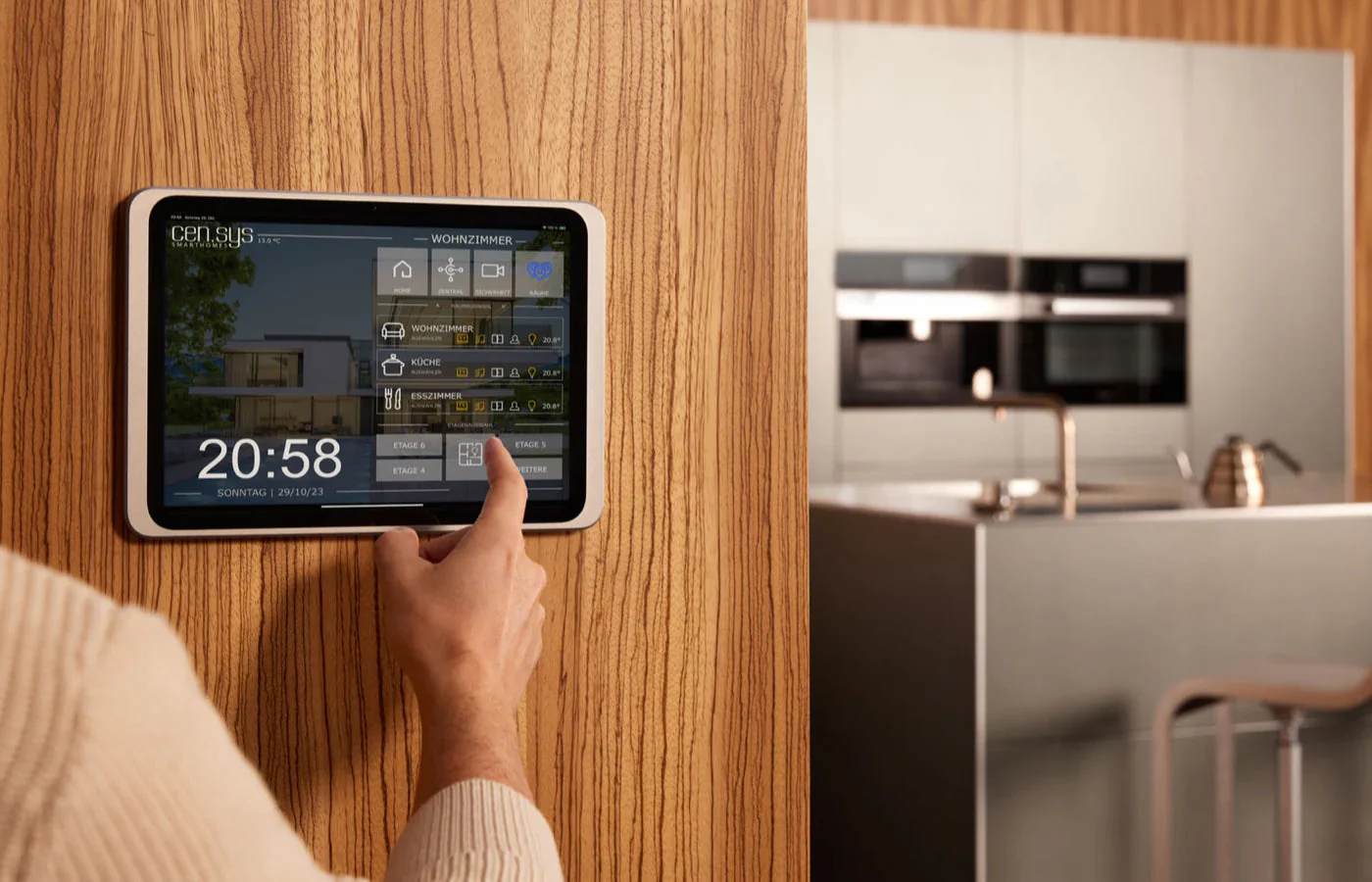
Smart homes are no longer futuristic concepts reserved for tech enthusiasts. They are becoming practical, almost invisible upgrades that blend into daily routines—enhancing comfort, improving efficiency, and giving homeowners more control without adding complexity. Rather than flashy gadgets, today’s smart homes focus on subtle intelligence that works quietly in the background.
The Shift From Gadgets to Experiences
Early home automation often felt fragmented: one app for lights, another for heating, and a third for security. Modern smart homes have evolved into integrated ecosystems that prioritize experience over novelty.
Instead of asking users to adapt, these systems adapt to users by:
-
Learning daily routines
-
Responding to environmental changes
-
Anticipating needs without constant input
The result is a home that feels responsive rather than reactive.
Comfort That Adjusts Itself
One of the most noticeable changes smart homes bring is personalized comfort. Temperature, lighting, and even air quality are now dynamically managed.
Climate That Thinks Ahead
Smart climate systems analyze occupancy, weather patterns, and historical preferences to maintain ideal indoor conditions. Rooms warm up before you arrive and cool down when unused—without manual adjustments.
Lighting That Matches the Moment
Adaptive lighting systems shift brightness and tone throughout the day:
-
Cooler light in the morning for alertness
-
Neutral tones for productivity
-
Warmer hues in the evening to encourage relaxation
This subtle modulation supports both comfort and well-being.
Control Without Complexity
True smart living isn’t about more buttons—it’s about fewer decisions.
Centralized Command
Modern smart homes rely on unified control platforms accessible via phone, tablet, or voice. From one interface, homeowners can manage:
-
Lighting and power usage
-
Heating and cooling
-
Security and access
Automation handles the rest, reducing mental load.
Voice and Presence Awareness
Voice control and presence detection allow hands-free interaction. The home reacts based on who is present, not just what is commanded, making control feel natural rather than technical.
Energy Efficiency That Happens Automatically
Smart homes are quietly reshaping energy consumption by eliminating waste instead of demanding behavior changes.
Key efficiency features include:
-
Automatic shutdown of unused devices
-
Real-time energy monitoring
-
Smart scheduling based on peak and off-peak hours
Over time, these small optimizations translate into lower utility bills and a smaller environmental footprint, achieved with minimal effort.
A New Standard of Home Security
Security has become smarter—and calmer. Instead of constant alerts, modern systems emphasize context-aware protection.
Smart security setups can:
-
Distinguish residents from strangers
-
Send alerts only when patterns deviate from normal
-
Lock or unlock doors automatically based on proximity
This approach reduces false alarms while increasing genuine peace of mind.
The Emotional Side of Smart Living
Beyond convenience and efficiency, smart homes influence how people feel in their spaces. Reduced noise from appliances, consistent comfort levels, and seamless routines create a sense of calm.
When technology fades into the background, the home feels less like a system and more like a supportive environment—one that quietly works in your favor.
Where Smart Homes Are Headed Next
The future of smart homes isn’t about adding more devices. It’s about deeper intelligence:
-
Better prediction of needs
-
Greater interoperability between systems
-
More emphasis on privacy and local data control
As these improvements mature, smart homes will feel less like technology upgrades and more like a natural extension of everyday living.
Frequently Asked Questions
1. Do smart homes require constant internet access to function?
Many core features work locally, but cloud connectivity enhances remote access, updates, and advanced automation.
2. Are smart homes suitable for renters?
Yes. Many smart devices are portable, wireless, and require no permanent installation.
3. How difficult is it to maintain a smart home system?
Maintenance is minimal, typically limited to software updates and occasional device replacements.
4. Can smart homes help people with limited mobility?
Absolutely. Voice control, automation, and remote access significantly improve accessibility and independence.
5. Is data privacy a concern with smart home technology?
Privacy depends on device design and user settings. Choosing systems with strong encryption and local processing reduces risks.
6. Do smart homes increase property value?
In many markets, integrated smart features are seen as desirable upgrades and can enhance resale appeal.
7. How scalable are smart home systems?
Most platforms are modular, allowing homeowners to start small and expand over time without replacing existing devices.
