

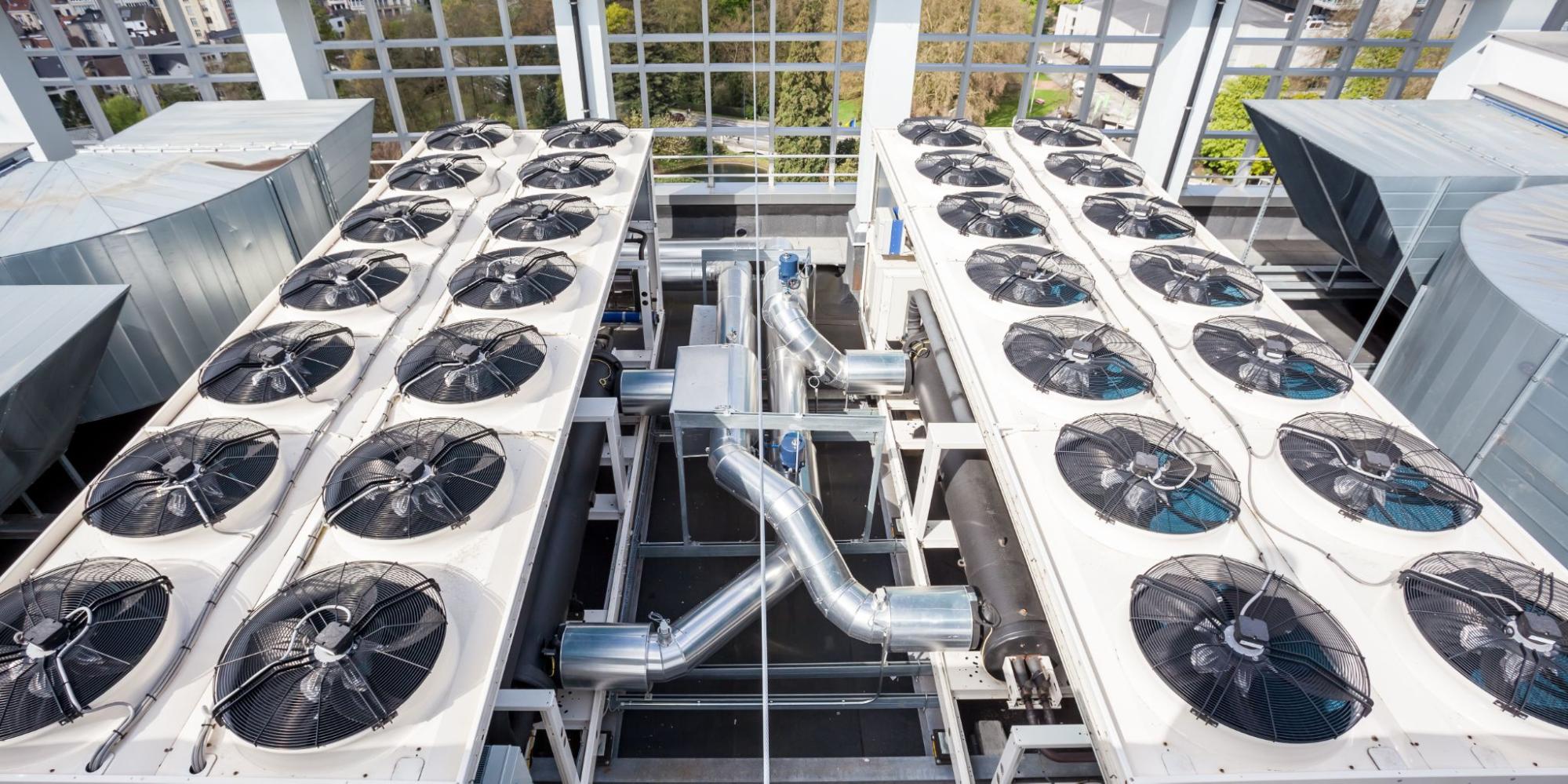
Energy costs are one of the largest ongoing expenses for commercial buildings, and HVAC systems play a major role in determining how high those bills climb each month. From system design and efficiency ratings to maintenance and user behavior, multiple factors influence how much energy a commercial HVAC system consumes. Understanding these factors helps businesses control costs without sacrificing comfort.
Why HVAC Systems Drive Commercial Energy Costs
In most commercial buildings, HVAC systems account for 40–60% of total energy usage. Unlike lighting or office equipment, heating and cooling operate continuously to maintain indoor comfort across large spaces and varying occupancy levels.
Key reasons HVAC systems heavily impact energy bills include:
-
Long operating hours
-
Large square footage coverage
-
High ventilation demands
-
Seasonal temperature extremes
HVAC System Efficiency and Energy Consumption
Equipment Efficiency Ratings
Modern HVAC equipment is designed to use less energy while delivering the same or better performance. Efficiency is measured using ratings such as:
-
SEER (Seasonal Energy Efficiency Ratio) for cooling
-
IEER (Integrated Energy Efficiency Ratio) for commercial systems
-
AFUE (Annual Fuel Utilization Efficiency) for heating
Higher ratings typically result in lower monthly energy costs over time.
System Age and Technology
Older HVAC systems often consume significantly more energy due to outdated components, worn parts, and inefficient controls. Newer systems benefit from:
-
Variable-speed motors
-
Advanced compressors
-
Improved heat exchangers
These upgrades reduce unnecessary energy use during partial load conditions.
Building Size, Layout, and HVAC Load
System Sizing Matters
Oversized HVAC systems cycle on and off too frequently, wasting energy and increasing wear. Undersized systems run continuously, driving up electricity costs.
Proper load calculations ensure:
-
Balanced temperature control
-
Reduced energy waste
-
Lower long-term operating costs
Zoning and Air Distribution
Commercial buildings with multiple zones allow HVAC systems to condition only occupied areas. Zoning reduces energy usage by preventing overcooling or overheating unused spaces.
Role of HVAC Controls and Automation
Smart Thermostats and Building Controls
Advanced controls have a direct impact on commercial energy bills by optimizing performance. Features include:
-
Scheduled temperature setbacks
-
Occupancy-based adjustments
-
Real-time energy monitoring
Automated systems prevent HVAC equipment from running at full capacity when it isn’t needed.
Demand-Based Ventilation
Ventilation rates adjusted based on occupancy help reduce energy loss associated with heating or cooling outside air unnecessarily.
Maintenance and Its Effect on Energy Bills
Poor Maintenance Increases Energy Use
Neglected HVAC systems consume more energy due to:
-
Dirty filters restricting airflow
-
Fouled coils reducing heat transfer
-
Low refrigerant levels
Even minor maintenance issues can increase energy costs by 10–25%.
Preventive Maintenance Benefits
Regular inspections and servicing help:
-
Maintain peak efficiency
-
Reduce breakdowns
-
Extend equipment lifespan
Well-maintained systems operate closer to their rated efficiency levels.
Seasonal Energy Demand and HVAC Usage
HVAC energy consumption fluctuates throughout the year. Peak usage occurs during:
-
Summer cooling seasons
-
Winter heating periods
Energy bills rise when systems operate longer and at higher capacities. Efficient scheduling and seasonal maintenance help manage these spikes.
Reducing Commercial Energy Bills Through HVAC Optimization
Businesses can lower HVAC-related energy costs by:
-
Upgrading to high-efficiency equipment
-
Implementing zoning and smart controls
-
Sealing ductwork and improving insulation
-
Scheduling routine maintenance
-
Conducting regular energy audits
These steps reduce waste while maintaining occupant comfort.
Long-Term Cost Savings and ROI
Although energy-efficient HVAC upgrades may require upfront investment, they often deliver strong returns through:
-
Lower monthly utility bills
-
Reduced repair expenses
-
Improved system reliability
-
Enhanced building value
Over time, optimized HVAC systems significantly reduce total cost of ownership.
Frequently Asked Questions (FAQs)
Why do HVAC systems use so much energy in commercial buildings?
They operate for long hours, serve large areas, and must meet ventilation and comfort requirements for many occupants.
Can upgrading HVAC equipment really lower energy bills?
Yes, modern high-efficiency systems can reduce HVAC energy consumption by 20–40%.
How does HVAC zoning reduce energy costs?
Zoning prevents conditioning unused spaces, allowing the system to focus only on occupied areas.
Does HVAC maintenance affect energy efficiency?
Absolutely. Dirty or poorly maintained systems work harder and consume more energy.
Are smart HVAC controls worth the investment?
Yes, automation and monitoring significantly reduce unnecessary runtime and energy waste.
How often should commercial HVAC systems be inspected?
Professional inspections are recommended at least twice a year.
What is the fastest way to reduce HVAC-related energy costs?
Improving maintenance, optimizing controls, and sealing ductwork offer quick energy savings.
