

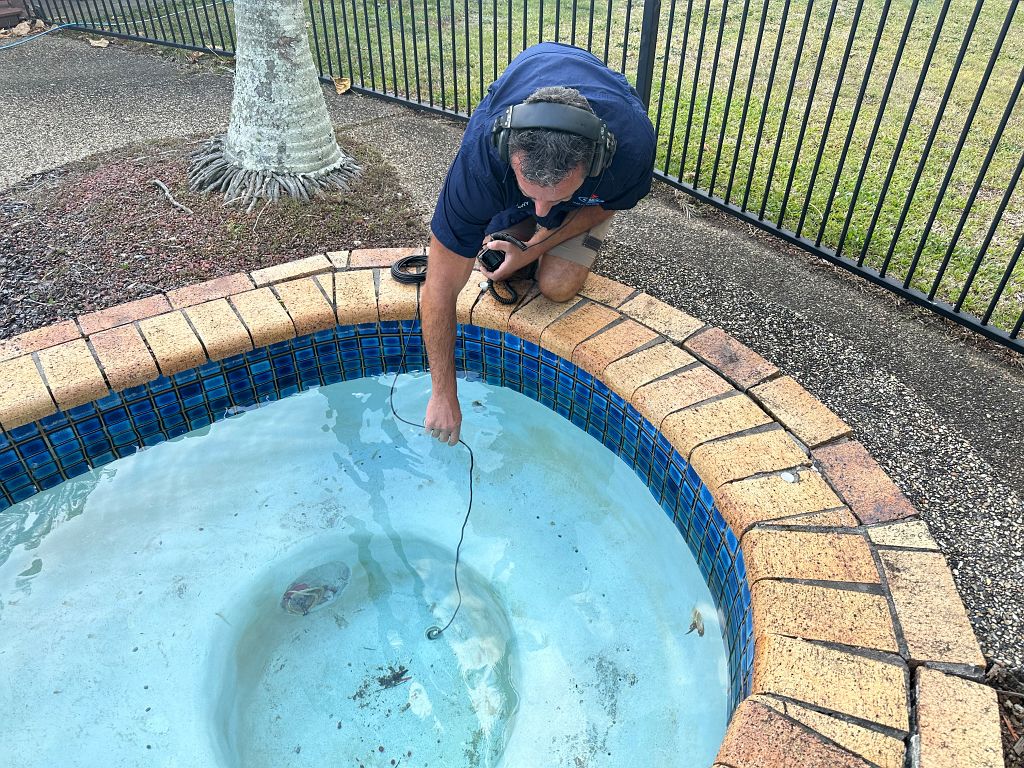
Owning a pool in New South Wales comes with clear legal duties. Under the Swimming Pools Act 1992, any pool or spa able to hold more than 30 centimetres of water must have a compliant safety barrier. If you plan to sell or lease your property, you also need the right paperwork, and that starts with a proper inspection.
Finding a pool certifier NSW homeowners can trust takes some research. The person you choose will assess your barrier against the Australian Standard, issue certificates and advise on repairs. An unqualified or careless inspector can expose you to fines, delayed settlements or an unsafe pool.
This guide explains how to choose a qualified pool certifier in NSW, what to check before booking and how to prepare for inspection day.
Know When You Need a Certificate
Start by understanding why you need an inspection. In NSW, you must hold a valid certificate of compliance or a relevant occupation certificate before leasing a property with a pool. When selling, you must attach either a certificate of compliance or a certificate of non-compliance to the contract of sale. A certificate of compliance stays valid for three years.
Before booking, confirm your pool is listed on the NSW Swimming Pool Register. Registration is free and takes a few minutes online.
Check Registration First
Only two groups can issue pool certificates in NSW: local council inspectors and private certifiers registered with the NSW Government. Search the public register of certifiers and confirm:
- The person holds current registration in the correct class
- Their registration has no restrictive conditions
- They have no recent disciplinary action
Ask for their registration number. A reputable certifier will provide it without hesitation.
Confirm Insurance Cover
Registered certifiers must hold professional indemnity insurance. Request proof of current cover before the inspection. This protects you if errors in their assessment cause problems later.
Compare Council and Private Options
Councils charge capped fees for pool inspections, set by regulation. Private certifiers set their own prices and may offer faster availability. Get two or three quotes and check what each includes, such as re-inspections and written reports.
Ask the Right Questions
Before booking, ask each certifier:
- How many pool inspections have you completed in my area?
- Will I receive a written report listing any defects?
- How long does it take to issue a certificate?
- What happens if my pool fails?
Clear, confident answers point to an experienced professional.
Watch for Warning Signs
Be cautious of anyone who:
- Promises a pass before seeing your pool
- Pressures you to use a particular repair contractor
- Refuses to provide documentation or a registration number
- Quotes far below the market rate without explanation
Prepare for Your Inspection
A quick self-check can save you a failed result and a re-inspection fee. Review the following:
- Gates self-close and self-latch from any open position
- The barrier stands at least 1,200 mm high
- No climbable objects sit within 900 mm of the barrier
- A current CPR sign is displayed near the pool
- No gaps under or through the fence exceed allowable limits
Fix obvious issues before the certifier arrives.
Choosing the right certifier protects your family, your guests and your legal position. Verify registration, confirm insurance, compare quotes and prepare your pool area in advance. These simple steps help you meet NSW requirements and keep your pool safe for years to come.
