

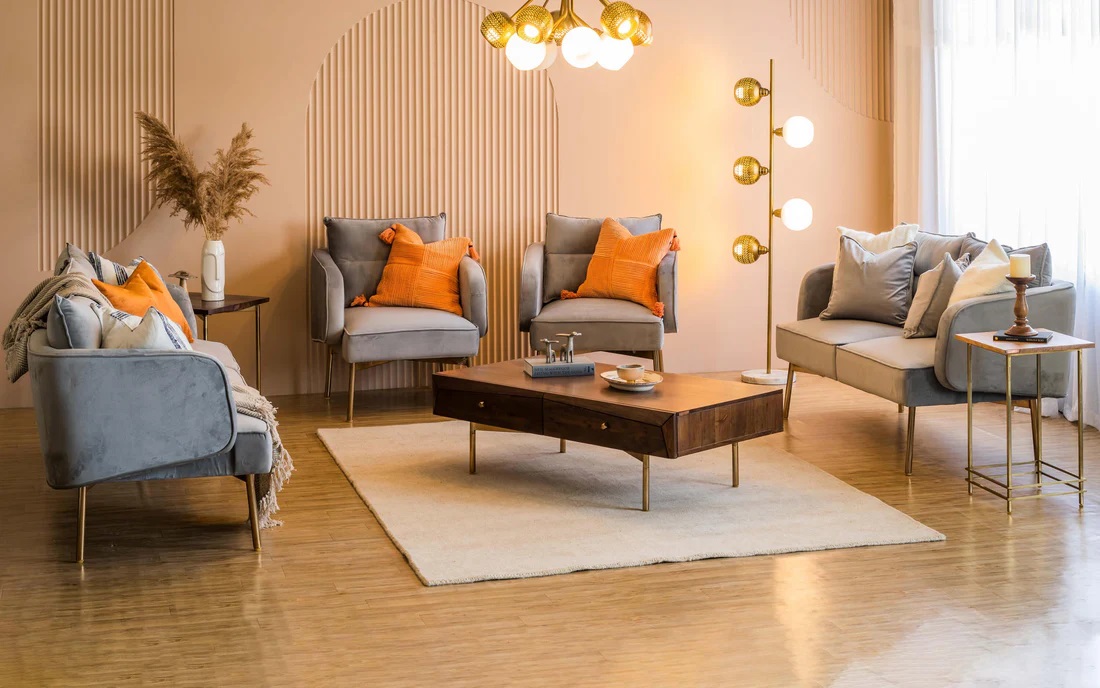
Creating a home that feels both beautiful and functional doesn’t require a complete overhaul or an unlimited budget. Thoughtful home decor choices can transform everyday spaces into welcoming environments that reflect personality, lifestyle, and comfort. This guide focuses on realistic, design-forward ideas that work for modern living.
Understanding the Foundation of Home Decor
At its core, home decor is about balance. Every space should align function, comfort, and visual harmony. Before adding decorative elements, assess how each room is used and how it should feel.
Key foundations to consider:
-
Room purpose (relaxation, work, entertainment)
-
Natural light and layout
-
Existing colors and materials
-
Storage needs
Starting with these basics prevents cluttered designs and costly mistakes.
Choosing a Color Palette That Lasts
Color sets the emotional tone of a room. Timeless palettes are easier to refresh and adapt as trends evolve.
Popular, long-lasting color approaches:
-
Neutral bases (beige, warm white, soft gray)
-
Muted earth tones for warmth and grounding
-
Accent colors introduced through decor, not walls
Using bold colors sparingly allows flexibility without overwhelming the space.
Furniture That Balances Style and Function
Furniture should support daily routines while enhancing the room’s aesthetic. Oversized or purely decorative pieces often disrupt flow and usability.
When selecting furniture, prioritize:
-
Proper scale for the room size
-
Clean silhouettes that age well
-
Multi-functional designs (storage beds, nesting tables)
-
Durable materials suited to household needs
Quality matters more than quantity, especially in smaller homes.
The Role of Texture and Materials
Texture adds depth and visual interest, even in monochromatic rooms. Mixing materials prevents flat or sterile designs.
Effective texture combinations include:
-
Soft textiles like linen, wool, or cotton
-
Hard surfaces such as wood, metal, or stone
-
Natural elements like rattan or jute
Layering textures subtly creates warmth without visual clutter.
Lighting as a Design Tool
Lighting is often overlooked but has a dramatic impact on ambiance and usability.
A well-lit room typically includes:
-
Ambient lighting for overall brightness
-
Task lighting for focused activities
-
Accent lighting to highlight decor or architecture
Warm light temperatures generally create a more inviting atmosphere in living areas and bedrooms.
Decorating with Intention, Not Excess
Decor should feel curated, not crowded. Every item should have a reason to exist—either functional, sentimental, or aesthetic.
Tips for intentional decorating:
-
Display items in odd-number groupings
-
Leave negative space for visual breathing room
-
Rotate decor seasonally instead of buying more
-
Choose meaningful art over generic prints
Less decor, when chosen carefully, makes a stronger impact.
Sustainable and Budget-Conscious Decor Choices
Eco-friendly decor is increasingly accessible and often more durable.
Smart, sustainable options include:
-
Second-hand or vintage furniture
-
Natural, low-impact materials
-
Repairing or refinishing existing pieces
-
Supporting local artisans
These choices reduce waste while adding character and originality.
Frequently Asked Questions
What is the most important rule in home decor?
The most important rule is ensuring the space supports how you live. Style should enhance comfort and function, not compete with them.
How can I decorate my home without spending much money?
Focus on rearranging furniture, adding textiles, updating lighting, and incorporating second-hand or DIY decor elements.
How often should home decor be updated?
Minor updates can be done seasonally, while larger changes every few years help keep the space feeling fresh without constant spending.
Is it better to follow trends or stick to timeless decor?
Timeless decor should form the base, while trends work best as accents that can be easily replaced.
How do I make a small room look bigger?
Use light colors, mirrors, minimal furniture, and multi-purpose pieces to enhance openness and flow.
Can different decor styles be mixed?
Yes, mixing styles works when there is a unifying element such as color, material, or scale to maintain visual cohesion.
Does minimal decor feel cold or unfinished?
Minimal decor feels warm and complete when texture, lighting, and intentional details are used thoughtfully.
