

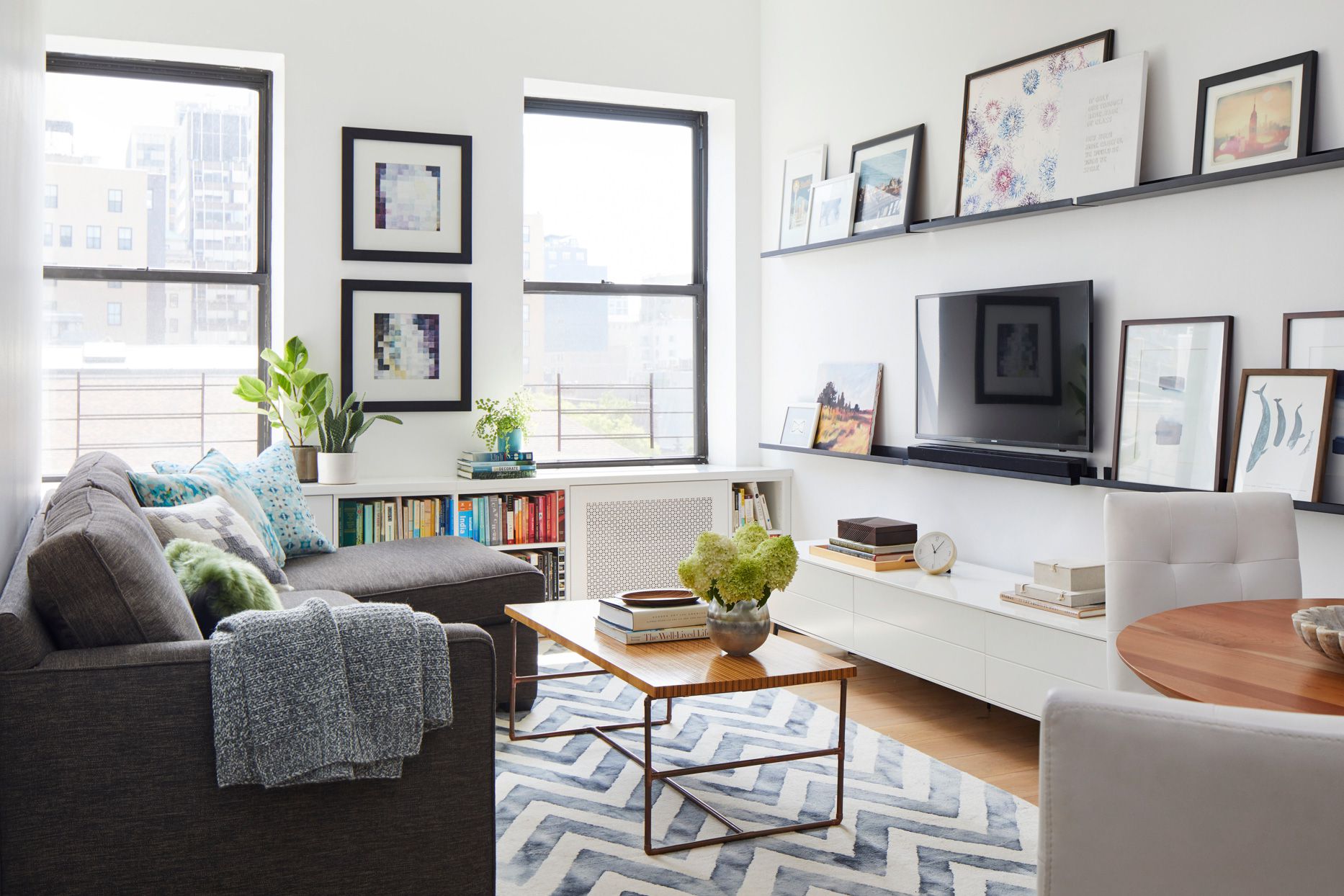
A well-decorated home goes beyond visual appeal. It shapes how you feel, move, and live every day. Thoughtful home decor blends aesthetics with practicality, creating spaces that feel personal, comfortable, and effortless. Rather than following fleeting trends, smart decor choices focus on balance, purpose, and longevity.
The Core Principles of Effective Home Decor
Every successful interior begins with intention. Before choosing furniture or accessories, it’s important to understand how each space functions and what atmosphere it should create.
Key principles to keep in mind:
-
Function comes first, design follows
-
Clear movement and open layouts
-
Visual consistency across rooms
-
Comfort without sacrificing style
When these elements align, the space naturally feels inviting.
Building a Timeless Color Scheme
Color defines the mood of a room more than any other element. A carefully chosen palette ensures longevity and adaptability.
Popular approaches that stand the test of time include:
-
Soft neutrals as the foundation
-
Warm, earthy hues for depth
-
Accent shades introduced through decor items
This method allows easy updates without repainting or redesigning entire rooms.
Furniture Choices That Make Sense
Furniture should serve daily life, not complicate it. Oversized or trend-driven pieces can quickly make a room feel crowded or outdated.
Look for furniture that offers:
-
Proportionate sizing for the space
-
Clean, versatile designs
-
Built-in functionality like storage
-
Durable construction and materials
Fewer, well-chosen pieces often deliver better results than filling every corner.
Adding Depth Through Texture
Texture brings life into a space, especially when working with neutral tones. A mix of finishes keeps interiors visually engaging.
Effective ways to layer texture include:
-
Soft fabrics like cotton, wool, or linen
-
Natural materials such as wood or stone
-
Subtle contrast between smooth and rough surfaces
This balance adds warmth without overwhelming the design.
Lighting That Enhances Mood and Function
Lighting influences both the look and usability of a home. Relying on a single overhead light often flattens the space.
A balanced lighting plan usually includes:
-
General lighting for overall visibility
-
Task lighting for focused activities
-
Accent lighting to highlight decor or features
Warm lighting works best in living spaces, while brighter tones suit kitchens and work areas.
Decorating with Purpose
Decor is most effective when it feels intentional rather than excessive. Each item should contribute meaning or function.
Smart decorating habits:
-
Choose fewer, impactful pieces
-
Group decor in odd numbers
-
Allow open space to avoid clutter
-
Display items with personal value
Intentional decor creates a calm, curated environment.
Budget-Friendly and Sustainable Decor Ideas
Stylish homes don’t require constant spending. Sustainable choices often add more character than mass-produced items.
Consider these practical options:
-
Vintage or second-hand furniture
-
Repurposing existing items
-
Natural, eco-friendly materials
-
Supporting local craftsmanship
These decisions are cost-effective and environmentally responsible.
Frequently Asked Questions
What defines good home decor?
Good home decor balances comfort, functionality, and visual harmony while reflecting personal taste.
How can I refresh my home decor without remodeling?
Updating lighting, rearranging furniture, changing textiles, and adding subtle accents can make a noticeable difference.
Are neutral interiors boring?
Not when layered with texture, lighting, and contrast. Neutrals provide flexibility and timeless appeal.
How much decor is too much?
When decor starts to interfere with movement or feels visually overwhelming, it’s time to simplify.
Can decor influence mood?
Yes, color, lighting, and layout directly affect how relaxed or energized a space feels.
What decor mistakes should be avoided?
Overcrowding rooms, ignoring scale, following trends blindly, and neglecting lighting are common mistakes.
Is it okay to mix modern and traditional decor?
Absolutely. Mixing styles works well when there’s a consistent color palette or material theme.
