

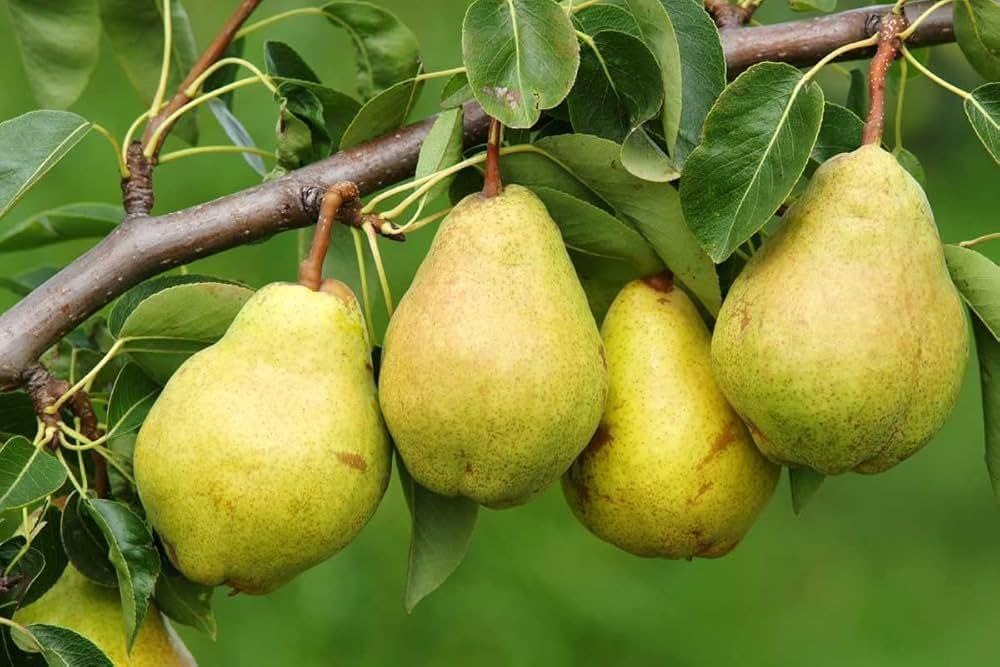
Buying fruit trees online gives gardeners access to far more choice than a local garden centre can usually display. Instead of being limited to a handful of seasonal varieties, the buyer can compare heritage cultivars, modern disease resistant selections, trained forms, unusual fruits, and rootstocks suited to different garden sizes.
That choice is valuable, but it also asks for a little preparation. A fruit tree is not like a packet of seed that can be replaced easily if it disappoints. It may occupy the same position for many years. The variety, rootstock, age, training form, and delivery season should all match the garden where it will be planted.
Before ordering fruit trees for sale, gardeners should have a clear idea of the site, the intended use of the crop, and the level of care they are willing to give. Online catalogues are most helpful when the buyer already knows the practical questions that need answering.
Specialist nurseries such as ChrisBowers can make online buying easier because their ranges are organised around fruit type, variety, and planting purpose. Even so, a buyer should read descriptions carefully and avoid making a decision on fruit name alone.
The goal is not simply to buy a tree that looks appealing on screen. The goal is to buy a living plant that will arrive in good condition, establish well, and suit the garden for the long term. That requires attention to details that are easy to miss during a quick browse.
Read Variety Descriptions with a Practical Eye
Variety descriptions often highlight flavour, harvest time, appearance, and heritage. These details are useful, but they should be interpreted through the lens of the garden. A late dessert apple may sound excellent, for example, but it may not be ideal for a cold exposed site where ripening is less reliable.
Flavour descriptions are also subjective. Words such as sweet, aromatic, sharp, rich, or honeyed can guide expectations, but they do not replace thinking about use. A household that bakes often may value a cooker or dual purpose apple. A family that wants fruit for lunchboxes may prefer a crisp dessert variety. A grower interested in preserving may choose plums, damsons, crab apples, or quince.
Harvest season is especially important. Online buying makes it possible to plan a sequence of ripening times. Rather than planting several trees that crop heavily in the same week, gardeners can choose early, mid season, and late varieties. This spreads the work and extends the enjoyment.
Descriptions may also mention storage. Some apples and pears improve after a period indoors, while soft fruit and many stone fruits are best used quickly. Understanding this difference helps prevent waste and makes the eventual harvest easier to manage.
Check Rootstock and Final Size
Rootstock information should never be skipped. It tells the buyer how large the tree is likely to become and how it will behave. The variety name alone does not reveal this. A Cox apple on a dwarfing rootstock and the same variety on a more vigorous rootstock are very different garden plants.
For small gardens, dwarfing and semi dwarfing rootstocks are often the most practical. They keep trees within reach, encourage earlier cropping, and make pruning less demanding. For larger gardens, stronger rootstocks may be suitable where a more traditional tree is wanted or where grass competition will be present.
Final size estimates are not exact promises because soil, climate, pruning, and growing conditions all affect growth. Still, they provide a useful planning guide. A tree expected to reach three metres belongs in a different part of the garden from one that may eventually reach six or seven.
Online buyers should also note whether the tree is supplied as a maiden, bush, half standard, cordon, espalier, fan, or patio form. These forms represent different stages and intentions. A trained tree may cost more than a young untrained plant, but it can save years of shaping if the buyer needs a particular structure.
Understand Bare Root and Container Delivery
Fruit trees are commonly supplied either bare root during the dormant season or in containers at other times of year. Bare root trees are lifted without soil around the roots and are usually planted from late autumn to early spring. They can establish very well when planted promptly and correctly.
Container grown trees offer more flexible timing because they arrive with roots in compost. They can often be planted across a wider season, provided the ground is workable and watering is managed carefully. They may be especially useful when a gardener misses the bare root window or needs a tree for a specific project.
Both forms can succeed. The important thing is to handle them properly. Bare root trees should not be allowed to dry out before planting. Container trees should be watered thoroughly and checked for congested roots. In either case, planting should happen as soon as conditions allow.
Delivery timing should be considered before ordering. If the garden is not prepared, a tree may sit around longer than ideal. It is better to clear the planting area, improve the soil, and gather stakes or ties before the delivery date rather than rushing after the parcel arrives.
Look Closely at Pollination Needs
Online catalogues often provide pollination group information, self fertility notes, or recommendations for compatible partners. These details are essential for apples, pears, cherries, plums, and other tree fruits. A beautiful tree that lacks suitable pollen may produce disappointing crops.
Self fertile varieties are useful where space is limited. They can set fruit without a second compatible tree, though many still crop better when another variety is nearby. In larger gardens, planting two or more compatible varieties gives a stronger pollination plan and usually extends the harvest.
Flowering time matters as much as compatibility. Two varieties must overlap in bloom for pollen exchange to work. A very early flowering tree may not pollinate a much later one. This is why pollination groups are helpful when choosing several trees online.
Neighbouring gardens can sometimes provide compatible pollen, particularly in established residential areas. However, the buyer cannot control what neighbours grow or whether those trees remain. Planning pollination within the garden is more dependable, especially when investing in long lived trees.
Think About Plant Health and Aftercare
A reputable online nursery should provide healthy, well labelled trees and clear information about planting and aftercare. Buyers should look for signs that the nursery specialises in fruit and understands rootstocks, varieties, and seasonal handling. Specialist knowledge is especially useful when choosing less common fruit types.
On arrival, the tree should be checked promptly. Roots should be moist on bare root trees, stems should be sound, and labels should match the order. Minor cosmetic marks are not usually a concern, but damaged roots, broken grafts, or severe drying should be addressed immediately with the supplier.
Aftercare begins at planting. Correct depth is crucial; the graft union should normally remain above soil level. The tree should be firmed in, watered, staked where necessary, and mulched. These simple steps often decide whether the tree establishes smoothly.
Early pruning may be required depending on the form supplied. Some young trees need shortening to encourage framework branches, while trained forms need tying and maintenance. Reading the nursery’s guidance before cutting prevents common mistakes.
Compare Value, Not Just Price
The cheapest tree is not always the best value. A well grown tree on the correct rootstock from a knowledgeable supplier can be worth more than a cheaper plant of uncertain origin. Labelling accuracy, plant health, and suitable advice all matter when the tree is expected to remain in the garden for years.
Value also includes choice. Online buying allows gardeners to select varieties for flavour, disease resistance, storage, pollination, and local suitability. That level of precision can lead to a better harvest and fewer problems, which matters more than saving a small amount at the start.
Delivery quality is part of value too. Fruit trees need careful packing so roots, stems, and graft unions are protected in transit. A tree that arrives healthy and ready to plant gives the gardener confidence and reduces the risk of delays.
Buying online works best when it is treated as planned horticulture rather than impulse shopping. A thoughtful buyer studies the site, reads variety notes, checks rootstock, plans pollination, and prepares the ground. That approach turns a catalogue order into a long term investment in the garden.
Prepare for the Delivery Day
Online buying works best when the gardener is ready before the tree arrives. The planting position should be chosen, weeds removed, soil checked, and any stake, tie, compost, mulch, or container prepared. This avoids the common problem of a living tree waiting in packaging while the buyer decides where it should go.
Bare root deliveries need particular attention because roots should not dry out. If planting cannot happen immediately, the tree can usually be kept temporarily in a cool sheltered place with roots protected and moist. Some gardeners heel bare root trees into loose soil for a short period, but the final planting should not be delayed unnecessarily.
Container trees are more flexible, yet they should still be handled promptly. The compost should be checked for moisture, the pot protected from severe weather, and the tree placed somewhere stable. A container tree can dry surprisingly quickly if it arrives during a mild or windy spell.
Labels should be checked against the order as soon as possible. Variety name, rootstock, and form are important details, not minor paperwork. A gardener planning pollination or trained forms needs to know that the correct tree has arrived before planting it permanently.
The tree itself should be inspected calmly. A few marks on bark or minor twig damage may not matter, especially after transport. More serious issues, such as a broken graft union, very dry roots, or severe structural damage, should be photographed and raised with the supplier quickly. Prompt communication is easier than trying to resolve a problem weeks later.
Weather may affect planting timing. It is better not to plant into frozen ground or waterlogged soil. If conditions are temporarily unsuitable, the tree should be kept safe until the ground improves. Rushing into poor conditions can be worse than waiting a short time.
After planting, the first watering and mulching are part of receiving the tree, not optional extras. These steps help settle soil around roots and reduce stress. The tree has already been lifted, packed, transported, and replanted; gentle aftercare helps it recover from that transition.
Keeping order notes is useful too. Recording variety, rootstock, supplier, planting date, and position can prevent confusion later. As the garden grows, these details help with pruning, harvest timing, and future purchases.
It is also worth checking whether the tree will need immediate pruning after arrival. Some young trees are supplied ready for formative pruning, while trained forms may already have a framework that should be preserved. Reading guidance before making cuts avoids removing the very growth that the nursery has prepared.
Online buyers should pay attention to substitution policies. If a chosen variety is unavailable, a replacement may be offered. A substitute can be perfectly good, but it should still match the original purpose. A different harvest time, pollination group, or rootstock may affect the whole planting plan.
The delivery address should be practical. Fruit trees are living plants, and a missed parcel or box left in a poor place can cause unnecessary stress. If possible, delivery should be arranged for a time when the package can be opened and checked quickly.
Gardeners buying several trees should unpack and label them carefully. It is surprisingly easy to mix varieties when bare root trees are bundled together. Keeping each label attached and planting according to a prepared plan prevents confusion that may not become obvious until years later.
After the tree is planted, the online purchase should be treated as the start of aftercare rather than the end of shopping. The first growing season will reveal whether watering, staking, pruning, or protection needs adjustment. A good order becomes a good tree only when the gardener follows through.
Finally, patience should be built into expectations. A newly delivered tree may not look impressive, particularly when dormant. What matters is healthy roots, correct planting, and steady establishment. The visible beauty comes later, after the tree has settled into the ground and begun to grow on its own terms.
