

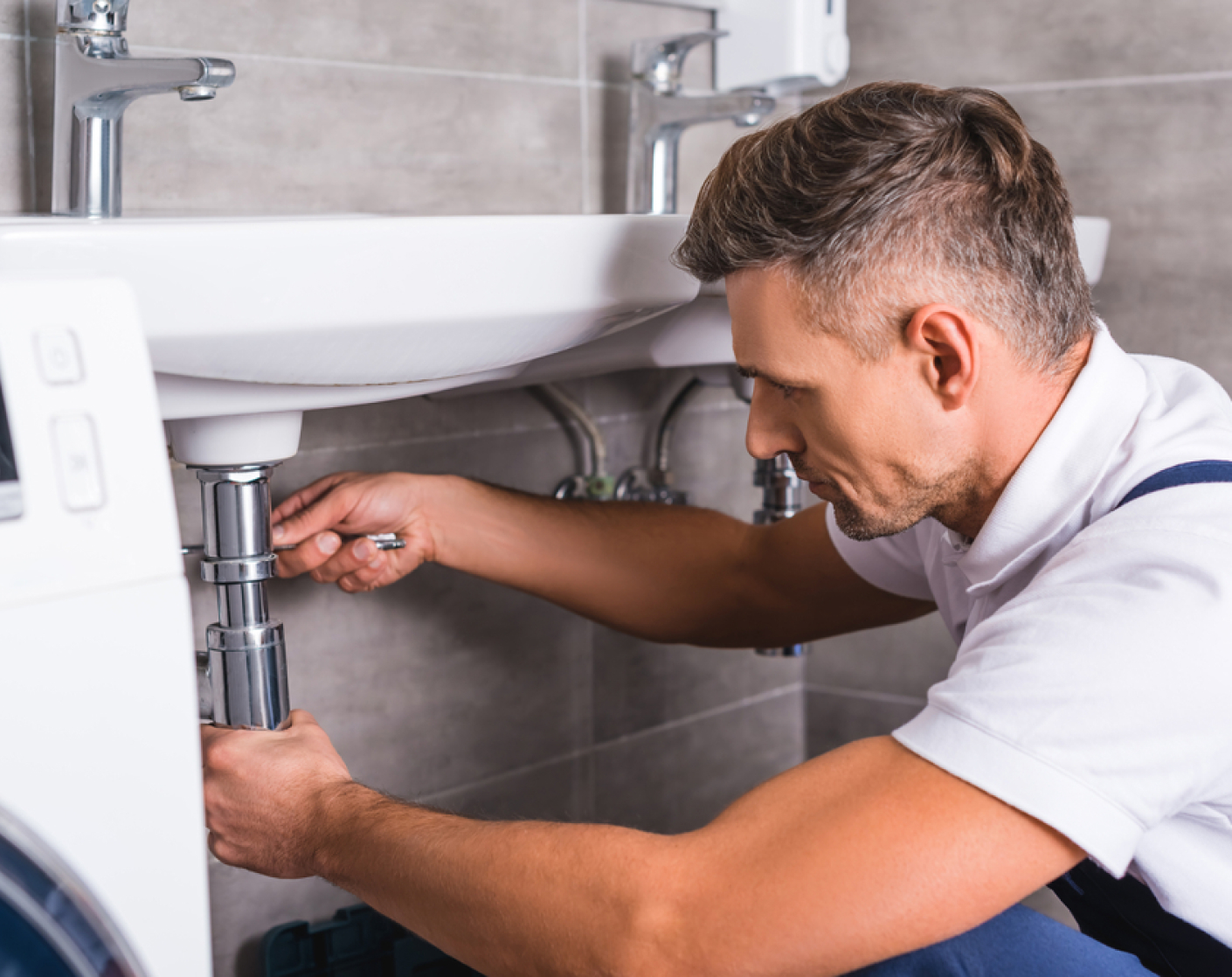
Plumbing is one of those systems most people don’t think about—until something goes wrong. From delivering clean water to safely removing waste, a well-designed plumbing system keeps homes hygienic, efficient, and comfortable. Understanding how plumbing works and why maintenance matters can save homeowners time, money, and stress.
Regular drain cleaning in Lancaster is essential to maintain a healthy plumbing system. Professional cleaning removes accumulated debris, grease, and blockages that can lead to slow drainage or backups. With proper maintenance, homeowners can avoid costly repairs and ensure smooth water flow throughout their property year-round.
What Is Plumbing and Why Is It Essential?
Plumbing refers to the network of pipes, fixtures, valves, and fittings that manage water supply and drainage in residential and commercial buildings. It supports everyday tasks such as cooking, bathing, cleaning, and sanitation.
Without proper plumbing:
-
Clean water access becomes unreliable
-
Wastewater can contaminate living spaces
-
Structural damage may occur due to leaks or moisture buildup
In short, plumbing protects both health and property.
Core Components of a Plumbing System
A standard plumbing system is divided into three main parts, each with a specific role.
Water Supply System
This system brings fresh water into your home under pressure. It supplies:
-
Sinks and faucets
-
Showers and bathtubs
-
Toilets
-
Appliances like washing machines and dishwashers
Most modern homes use copper, PEX, or PVC pipes for water supply lines.
Drainage and Waste System
The drainage system removes used water and waste safely. It relies on gravity rather than pressure and includes:
-
Drainpipes
-
Traps (to block sewer gases)
-
Vent pipes
Proper venting is crucial to prevent slow drains and unpleasant odors.
Fixtures and Appliances
Fixtures are the visible endpoints of the plumbing system, such as:
-
Toilets
-
Sinks
-
Showers
-
Outdoor hose bibs
Each fixture must be correctly installed to avoid leaks and water inefficiency.
Common Plumbing Problems Homeowners Face
Even well-installed systems can develop issues over time. Some of the most frequent plumbing problems include:
-
Leaky faucets that waste water and increase utility bills
-
Clogged drains caused by grease, hair, or debris
-
Low water pressure from mineral buildup or pipe leaks
-
Running toilets due to faulty internal components
-
Burst pipes from freezing temperatures or corrosion
Addressing these issues early helps prevent costly repairs.
The Importance of Regular Plumbing Maintenance
Preventive maintenance keeps plumbing systems operating efficiently and extends their lifespan. Regular checks can identify minor issues before they escalate.
Key maintenance practices include:
-
Inspecting pipes for leaks or corrosion
-
Cleaning drains periodically
-
Checking water pressure levels
-
Servicing water heaters annually
Routine care not only reduces emergencies but also improves water efficiency.
DIY Fixes vs. Professional Plumbing Services
Some minor plumbing tasks can be handled without professional help, while others require expert skills.
Suitable DIY Tasks
-
Replacing faucet washers
-
Clearing minor clogs
-
Installing low-flow showerheads
When to Call a Professional
-
Hidden leaks inside walls
-
Sewer line blockages
-
Water heater malfunctions
-
Pipe replacements or rerouting
Professional plumbers ensure repairs meet safety standards and local building codes.
Modern Plumbing Trends and Innovations
Plumbing has evolved with technology, offering smarter and more sustainable solutions.
Notable innovations include:
-
Low-flow fixtures that reduce water consumption
-
Tankless water heaters for energy efficiency
-
Smart leak detectors that alert homeowners in real time
-
Eco-friendly piping materials with longer durability
These upgrades improve convenience while lowering environmental impact.
Choosing the Right Plumbing Materials
Material choice plays a major role in system longevity and performance.
Common options include:
-
Copper – Durable and heat-resistant
-
PEX – Flexible, cost-effective, and easy to install
-
PVC – Lightweight and corrosion-resistant for drainage
Selecting the right material depends on budget, application, and local regulations.
Conclusion
Plumbing is more than pipes and fixtures—it’s a vital system that supports daily life. By understanding its components, recognizing early warning signs, and investing in regular maintenance, homeowners can ensure reliable water flow and long-term peace of mind. Whether you’re dealing with a small leak or planning a major upgrade, informed plumbing decisions always pay off.
Frequently Asked Questions (FAQs)
1. How often should a home plumbing system be inspected?
A general inspection every one to two years is recommended, with more frequent checks for older homes.
2. What causes pipes to corrode over time?
Corrosion can result from water chemistry, pipe material, age, and prolonged exposure to moisture.
3. Are low-flow fixtures effective for water conservation?
Yes, they significantly reduce water usage without sacrificing performance.
4. Can hard water damage plumbing systems?
Hard water causes mineral buildup that can clog pipes and reduce appliance efficiency over time.
5. What are the signs of a hidden plumbing leak?
Unexplained water bills, damp walls, mold growth, and musty odors often indicate hidden leaks.
6. Is pipe insulation really necessary?
Insulation helps prevent freezing, reduces heat loss, and protects pipes from condensation damage.
7. How long do residential plumbing pipes usually last?
Lifespan varies by material—PVC can last 50+ years, copper around 40–70 years, and PEX up to 50 years.
