

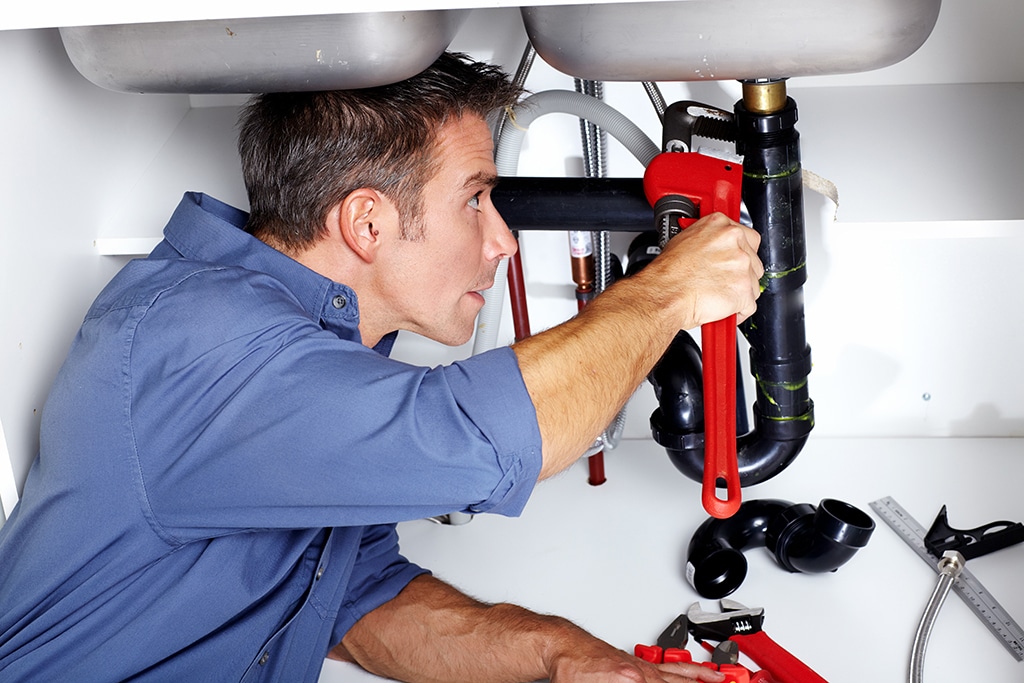
Plumbing is an essential part of any building, quietly working behind walls and beneath floors to deliver clean water and remove waste. A properly designed plumbing system ensures comfort, safety, and hygiene while protecting the structure of your home from water-related damage.
Understanding the Purpose of Plumbing
At its core, plumbing is responsible for two critical functions:
-
Supplying clean, potable water
-
Safely removing wastewater and sewage
Without a reliable plumbing system, daily activities such as bathing, cooking, and cleaning would become difficult and unsafe. Efficient plumbing also plays a major role in conserving water and maintaining indoor air quality.
Main Types of Plumbing Systems
Residential plumbing systems are generally divided into interconnected sections, each serving a distinct role.
Fresh Water Supply Lines
These pipes bring water into the home from a municipal source or private well. Water is delivered under pressure to:
-
Faucets and sinks
-
Toilets
-
Showers and bathtubs
-
Household appliances
Materials such as PEX, copper, and CPVC are commonly used due to their durability and safety.
Drainage and Vent System
This system carries used water away from the home. It operates using gravity and includes:
-
Drain pipes
-
Traps that block sewer gases
-
Vent pipes that regulate air pressure
Proper venting prevents slow drains and helps wastewater flow smoothly.
Plumbing Fixtures
Fixtures are the points where users interact with the plumbing system. Common examples include:
-
Toilets
-
Bathroom vanities
-
Kitchen sinks
-
Outdoor faucets
High-quality fixtures reduce leaks and improve water efficiency.
Common Plumbing Issues and Their Causes
Even modern plumbing systems can develop problems over time. Some frequent issues homeowners encounter include:
-
Dripping faucets caused by worn seals or washers
-
Clogged drains due to grease, soap residue, or hair buildup
-
Low water pressure from mineral deposits or hidden leaks
-
Running toilets caused by faulty internal components
-
Pipe leaks resulting from corrosion or shifting foundations
Early detection helps avoid water damage and costly repairs.
Why Preventive Plumbing Maintenance Matters
Regular plumbing maintenance keeps systems running efficiently and extends their lifespan. Preventive care can also lower water bills and reduce emergency repairs.
Recommended maintenance practices include:
-
Inspecting exposed pipes for leaks
-
Flushing drains periodically
-
Testing water pressure
-
Servicing water heaters annually
Consistent upkeep ensures long-term reliability and performance.
DIY Plumbing vs. Professional Assistance
Some plumbing tasks are manageable for homeowners, while others require specialized training and tools.
Suitable DIY Plumbing Tasks
-
Replacing faucet cartridges
-
Clearing minor sink clogs
-
Installing water-saving fixtures
Jobs Best Left to Professionals
-
Sewer line repairs
-
Water heater replacement
-
Pipe rerouting or replacement
-
Persistent leaks inside walls
Professional plumbers ensure work is safe, compliant, and durable.
Modern Advancements in Plumbing Technology
Plumbing has evolved significantly with a focus on efficiency and sustainability. Today’s systems often include:
-
Low-flow toilets and faucets
-
Tankless water heaters for on-demand hot water
-
Smart leak detection systems
-
Eco-friendly piping materials
These innovations reduce water waste while improving convenience.
Selecting the Right Plumbing Materials
Choosing the correct pipe material impacts durability and performance.
Popular plumbing materials include:
-
Copper – Long-lasting and heat-resistant
-
PEX – Flexible and ideal for modern installations
-
PVC – Lightweight and corrosion-resistant for drainage
The right choice depends on application, climate, and budget.
Final Thoughts
Plumbing is a foundational system that supports everyday life. By understanding how it works, recognizing common problems, and committing to routine maintenance, homeowners can protect their property and ensure dependable water flow. Thoughtful plumbing decisions lead to long-term comfort and peace of mind.
Frequently Asked Questions (FAQs)
1. What is the average lifespan of a home plumbing system?
It depends on materials used, but most systems last several decades with proper maintenance.
2. How can I tell if my plumbing pipes are outdated?
Discolored water, frequent leaks, and low pressure are common signs of aging pipes.
3. Are plumbing inspections necessary for newer homes?
Yes, inspections help catch installation issues and ensure systems operate efficiently.
4. Does water pressure affect plumbing longevity?
Excessively high pressure can strain pipes and fixtures, leading to premature failure.
5. Can small leaks really cause major damage?
Yes, even minor leaks can lead to mold growth, structural damage, and high water bills.
6. Is repiping a home ever necessary?
Repiping may be required if pipes are severely corroded, leaking frequently, or made from outdated materials.
7. How does plumbing impact home resale value?
Well-maintained, modern plumbing systems increase buyer confidence and property value.
