

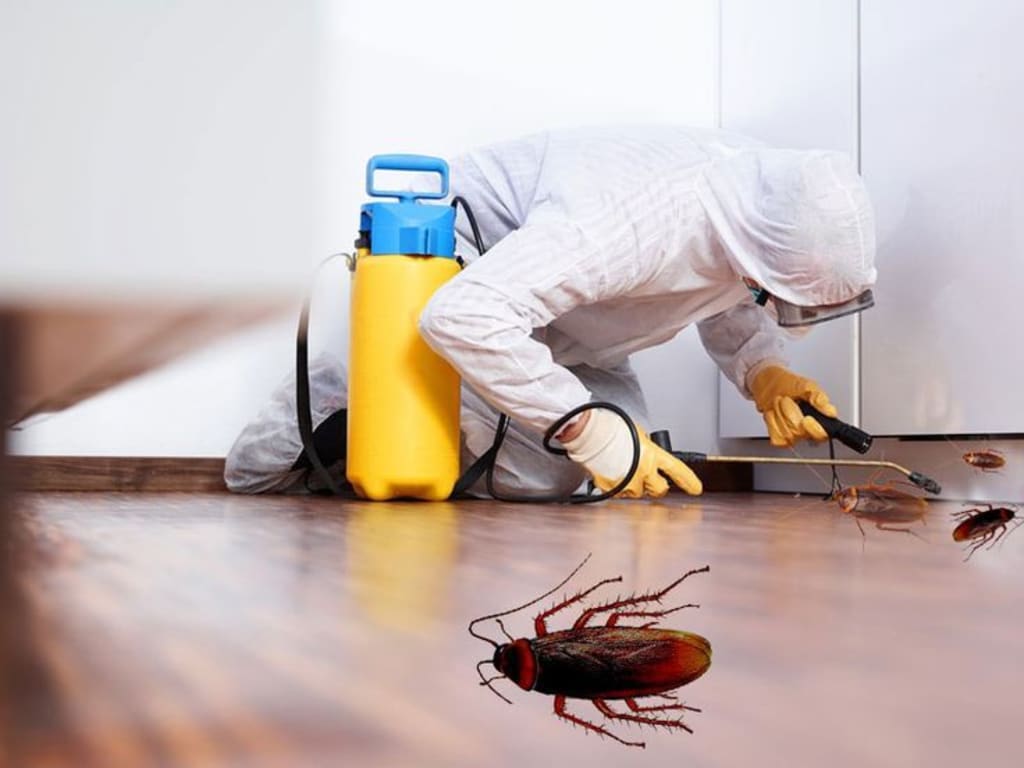
Pest control is more than eliminating unwanted insects or rodents. It is a preventive strategy that protects human health, property, and overall living comfort. From homes and offices to farms and warehouses, effective pest management reduces risks while creating cleaner, safer environments.
What Is Pest Control?
Pest control refers to the management or regulation of species considered harmful to humans, property, or ecosystems. These pests may include insects, rodents, birds, or microorganisms that disrupt daily life or cause structural and health-related damage.
Modern pest control focuses on long-term prevention rather than short-term elimination, using safe and strategic methods tailored to specific pest problems.
Common Types of Pests Found in Homes
Different environments attract different pests, but some are more common than others.
-
Insects: Cockroaches, ants, termites, mosquitoes, bed bugs
-
Rodents: Rats and mice
-
Wildlife intruders: Birds, squirrels, raccoons
-
Stored-product pests: Weevils, beetles, moths
Each pest brings unique challenges, from food contamination to structural damage.
Why Pest Control Is Essential
Ignoring pest issues can lead to serious consequences over time.
Health Protection
Many pests carry bacteria and viruses that cause illnesses such as food poisoning, allergies, and respiratory problems. Cockroaches and rodents are especially known for spreading harmful pathogens.
Property Preservation
Termites and rodents can damage wooden structures, wiring, insulation, and furniture. Early pest control prevents costly repairs.
Improved Quality of Life
A pest-free environment reduces stress, improves sleep quality, and enhances overall comfort at home or work.
Pest Control Methods Explained
Effective pest control relies on selecting the right approach based on infestation severity and pest type.
Chemical Pest Control
This method uses pesticides and insecticides to eliminate pests quickly. While effective, it requires careful handling to ensure safety for humans and pets.
Biological Pest Control
Natural predators, parasites, or microorganisms are used to manage pest populations. This method is eco-friendly and commonly used in agriculture.
Mechanical and Physical Control
Traps, barriers, and exclusion techniques prevent pests from entering or surviving within a space.
Integrated Pest Management (IPM)
IPM combines multiple strategies, focusing on prevention, monitoring, and minimal chemical use. It is widely regarded as the most sustainable pest control approach.
Professional Pest Control vs. DIY Solutions
While store-bought sprays and traps may offer temporary relief, they often fail to address root causes.
Professional pest control services provide:
-
Accurate pest identification
-
Customized treatment plans
-
Long-term prevention strategies
-
Safe and regulated product usage
DIY methods are suitable for minor issues, but recurring infestations usually require expert intervention.
How to Prevent Pest Infestations
Prevention is the most cost-effective pest control strategy.
-
Seal cracks and gaps in walls and foundations
-
Store food in airtight containers
-
Dispose of garbage regularly
-
Fix moisture issues like leaking pipes
-
Maintain cleanliness in kitchens and storage areas
Small preventive steps can significantly reduce pest risks.
Eco-Friendly Pest Control Options
With growing environmental awareness, many homeowners prefer green pest control solutions.
-
Botanical insecticides
-
Heat treatments for bed bugs
-
Humane traps for rodents
-
Habitat modification
These methods minimize environmental impact while maintaining effectiveness.
Choosing the Right Pest Control Service
Before hiring a pest control provider, consider the following:
-
Licensing and certifications
-
Experience with specific pests
-
Safety measures for children and pets
-
Warranty or follow-up services
-
Transparent pricing
A reputable service ensures both effectiveness and peace of mind.
Conclusion
Pest control is a vital part of maintaining a healthy and safe environment. Whether through preventive measures or professional intervention, addressing pest issues early saves money, protects health, and preserves property. By understanding available methods and adopting smart prevention strategies, homeowners can enjoy long-term protection from unwanted pests.
Frequently Asked Questions (FAQs)
1. How often should pest control treatments be done?
Most homes benefit from quarterly pest control, though frequency depends on pest type and local conditions.
2. Is pest control safe for children and pets?
Yes, when performed correctly using approved products and safety guidelines, modern pest control is generally safe.
3. Can pests return after treatment?
Pests can return if entry points or food sources remain. Preventive measures reduce the risk significantly.
4. What is the most difficult household pest to eliminate?
Termites and bed bugs are often considered the most challenging due to their hidden nature and resistance to some treatments.
5. Are natural pest control methods effective?
Natural methods can be effective for minor infestations and prevention, but severe cases may require professional solutions.
6. How long does pest control treatment take to work?
Some treatments show immediate results, while others may take several days to fully eliminate pests.
7. Does pest control help with allergies?
Yes, reducing pests like cockroaches and dust mites can significantly improve allergy symptoms.
