

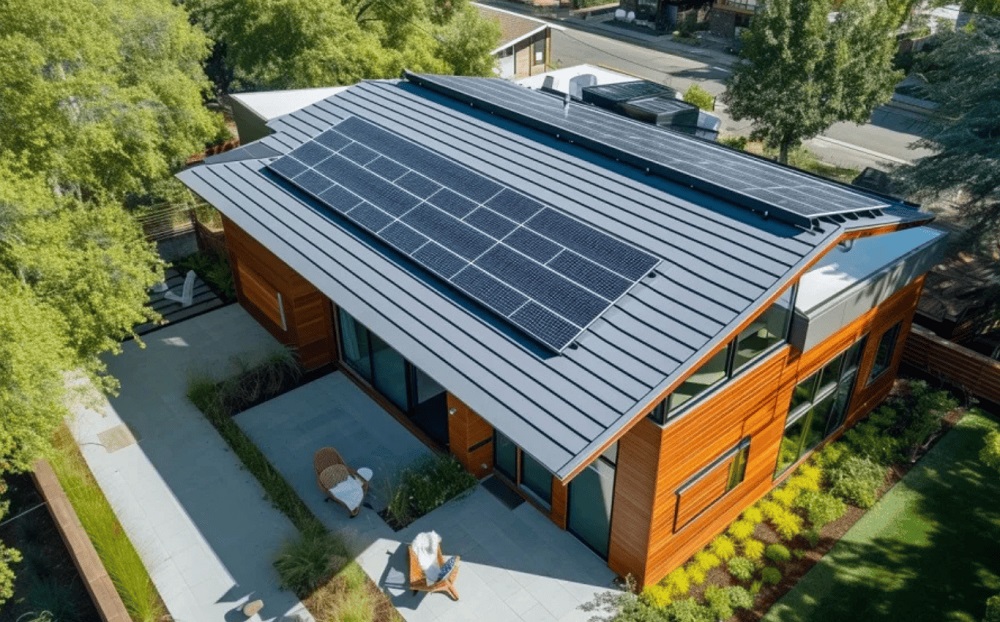
Energy efficiency has become a defining feature of modern home design. Among the most impactful innovations is the smart roofing system—a technology-driven approach that turns rooftops into active participants in energy management. By combining advanced materials, sensors, and integrated energy solutions, smart roofs are reshaping how homes consume, conserve, and even generate power.
What Is a Smart Roofing System?
A smart roofing system goes beyond traditional shingles or tiles. It integrates intelligent materials and digital technologies that respond to environmental conditions in real time. These roofs are designed to optimize indoor comfort, reduce energy waste, and extend roof lifespan through data-driven performance.
Key elements often include:
-
Reflective or adaptive roofing materials
-
Embedded sensors for temperature and moisture
-
Solar or energy-harvesting components
-
Smart ventilation and insulation layers
The Energy Efficiency Challenge in Conventional Roofing
Traditional roofs passively absorb heat, especially in warm climates. This leads to:
-
Higher indoor temperatures
-
Increased reliance on air conditioning
-
Elevated energy bills
-
Faster material degradation due to thermal stress
Smart roofing systems address these challenges by actively managing heat flow and energy transfer rather than simply enduring environmental exposure.
Core Technologies Powering Smart Roofs
Advanced Reflective and Cool Roof Materials
Smart roofs often use cool roofing materials that reflect a large portion of solar radiation. Some advanced options even adjust reflectivity based on temperature, keeping homes cooler during summer while retaining warmth in colder months.
Integrated Solar Roofing
Instead of bulky panels, many smart roofs incorporate solar cells directly into roofing materials. These systems generate clean electricity without compromising aesthetics, allowing homeowners to offset grid consumption.
Sensor-Driven Performance Monitoring
Embedded sensors continuously track:
-
Surface and attic temperature
-
Moisture buildup
-
Structural stress
This data allows homeowners or automated systems to optimize ventilation, insulation, and energy usage before inefficiencies escalate.
Smart Insulation and Ventilation
Dynamic insulation layers and automated vents regulate airflow based on real-time conditions. This reduces heat buildup in attics and stabilizes indoor temperatures with less mechanical cooling or heating.
How Smart Roofing Improves Home Energy Efficiency
Smart roofing systems contribute to efficiency in multiple ways:
-
Lower cooling demand by reflecting heat and enhancing airflow
-
Reduced heating loss through adaptive insulation
-
On-site energy generation with integrated solar solutions
-
Predictive maintenance that prevents energy leaks caused by damage
Together, these benefits can significantly reduce a household’s annual energy consumption while improving comfort.
Environmental and Financial Benefits
Reduced Carbon Footprint
By lowering energy demand and producing renewable power, smart roofs help decrease greenhouse gas emissions associated with residential living.
Long-Term Cost Savings
Although installation costs may be higher upfront, homeowners often see:
-
Lower monthly utility bills
-
Fewer repair expenses due to early issue detection
-
Increased property value due to energy-efficient features
Extended Roof Lifespan
Smart monitoring minimizes moisture damage and thermal fatigue, allowing roofing materials to last longer than conventional alternatives.
The Role of Smart Roofs in Future Home Design
As homes become more connected, smart roofing systems are expected to integrate seamlessly with whole-home energy management platforms. Future developments may include AI-driven energy optimization, weather-adaptive materials, and deeper integration with battery storage systems.
Is a Smart Roofing System Right for Your Home?
Smart roofing is particularly beneficial for:
-
Homes in extreme climates
-
Energy-conscious homeowners
-
New constructions or major renovations
-
Properties aiming for sustainability certifications
Professional assessment is essential to determine the right materials and technologies based on location, climate, and energy goals.
Frequently Asked Questions
1. How much energy can a smart roofing system save annually?
Energy savings vary by climate and roof design, but many homeowners experience 10–30% reductions in heating and cooling costs.
2. Are smart roofing systems compatible with existing homes?
Yes, many components can be retrofitted, though integration is easier and more cost-effective during major renovations or new builds.
3. Do smart roofs require constant monitoring by homeowners?
No. Most systems operate automatically and provide alerts only when maintenance or attention is needed.
4. How durable are smart roofing materials compared to traditional roofs?
Smart roofing materials are often more durable, as real-time monitoring helps prevent long-term damage.
5. Can smart roofing work without solar integration?
Absolutely. Reflective materials, insulation, and sensor-driven ventilation alone can deliver significant energy efficiency gains.
6. Are smart roofing systems suitable for cold climates?
Yes. Many systems are designed to retain heat in winter while still managing moisture and ventilation efficiently.
7. Will smart roofing increase home resale value?
Energy-efficient upgrades, including smart roofing, are increasingly attractive to buyers and can positively influence resale value.
