

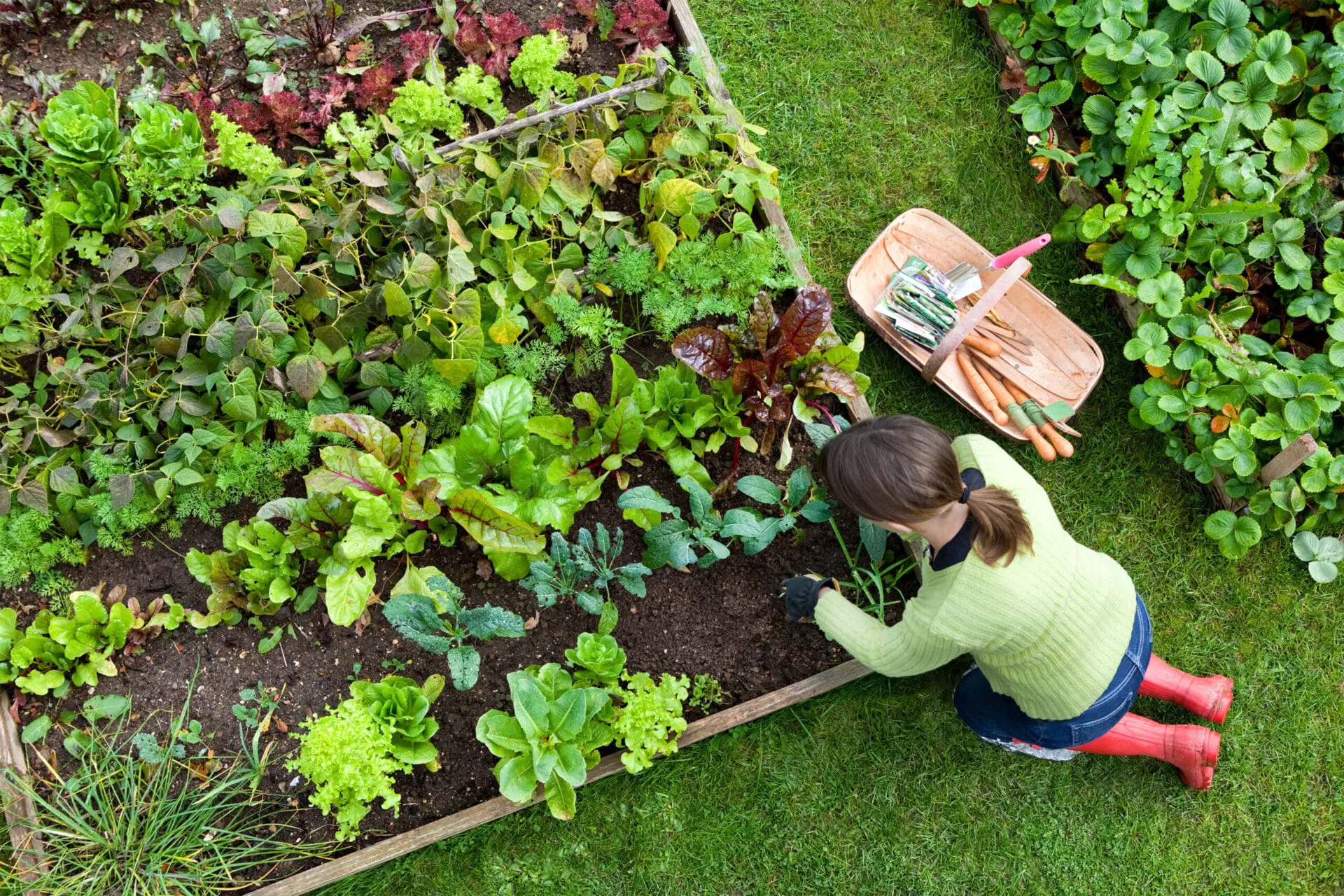
Gardening and outdoor living offer a perfect balance between relaxation and productivity. A well-maintained garden not only enhances the appearance of your outdoor space but also provides fresh produce, cleaner air, and a sense of accomplishment. With the right approach, anyone can create a thriving garden regardless of space or experience.
This article focuses on clear, practical gardening principles designed to deliver real results without unnecessary complexity.
The Foundation of Successful Gardening
Every productive garden begins with understanding the natural conditions that support plant growth. Paying attention to these basics reduces mistakes and saves effort in the long run.
Soil Quality and Preparation
Strong plants start with healthy soil. Soil that lacks nutrients or drainage will limit growth no matter how well you care for plants.
Important soil preparation steps:
-
Check soil texture and drainage
-
Mix organic matter such as compost or aged manure
-
Avoid compacting soil by over-walking garden beds
-
Maintain balanced soil nutrients
Sunlight and Plant Placement
Plants rely on sunlight for energy. Positioning them correctly improves growth and flowering.
Placement tips:
-
Observe sunlight patterns throughout the day
-
Group plants with similar light needs
-
Avoid planting tall crops where they shade smaller ones
Outdoor Gardening Practices That Deliver Results
Consistent care matters more than advanced techniques. Simple habits, done regularly, keep gardens healthy.
Effective Watering Techniques
Improper watering is one of the most common gardening problems. Too much water can be as damaging as too little.
Best watering practices include:
-
Water deeply rather than frequently
-
Focus water at root level
-
Reduce watering during cooler or rainy days
-
Use mulch to limit evaporation
Mulching for Long-Term Benefits
Mulching improves soil health while reducing daily maintenance.
Advantages of mulching:
-
Maintains soil moisture
-
Prevents weed growth
-
Regulates soil temperature
-
Improves soil structure over time
Organic mulch options such as straw, bark, or compost work best for outdoor gardens.
Essential Tools for Outdoor Gardening
Gardening doesn’t require an extensive tool collection. A few reliable tools cover most tasks efficiently.
Core gardening tools:
-
Hand trowel for planting and transplanting
-
Pruning shears for shaping and maintenance
-
Garden fork for loosening soil
-
Watering hose or can
-
Protective gloves
Proper storage and cleaning keep tools effective and long-lasting.
Seasonal Outdoor Gardening Care
Each season brings different gardening priorities. Adjusting your routine ensures year-round garden health.
Warm Season Gardening
-
Focus on planting and growth
-
Monitor soil moisture closely
-
Remove weeds before they spread
Cool Season Gardening
-
Clear garden debris to prevent disease
-
Improve soil with compost
-
Protect plants from frost when necessary
-
Plan crops and layouts for the next season
Common Outdoor Gardening Errors to Avoid
Avoiding basic mistakes can significantly improve plant performance.
Frequent gardening errors:
-
Overcrowding plants
-
Ignoring soil health
-
Overusing fertilizers
-
Skipping regular inspections
-
Planting without considering climate
Gardening success improves steadily with observation and small adjustments.
Frequently Asked Questions (FAQs)
1. How much sunlight do outdoor plants usually need?
Most vegetables and flowers require 6–8 hours of direct sunlight daily.
2. Can gardening be done in small outdoor spaces?
Yes, container gardening and vertical planting make efficient use of limited space.
3. What is the easiest way to improve poor soil?
Adding organic compost consistently is the simplest and most effective solution.
4. How do I know if I’m overwatering my plants?
Yellow leaves, wilting despite wet soil, and root rot are common signs.
5. When is the best time to start gardening?
Spring is ideal for most plants, but timing depends on local climate conditions.
6. How can I make my garden more eco-friendly?
Use organic compost, conserve water, and avoid chemical pesticides.
7. Do outdoor gardens require daily maintenance?
No, regular weekly care and observation are usually sufficient for healthy growth.
