

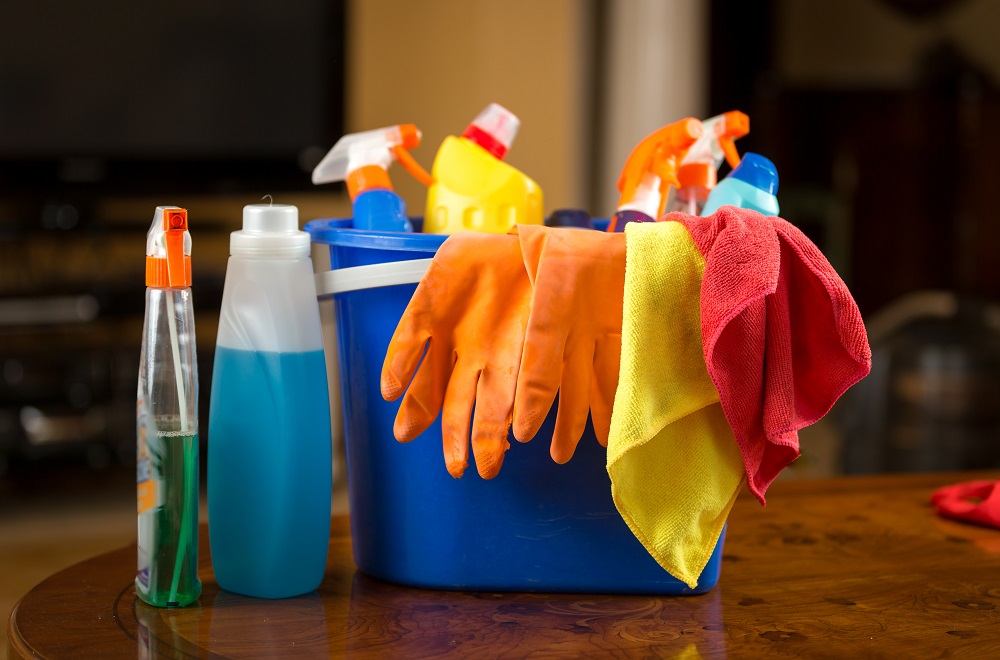
Keeping your home clean and well-maintained is not just about appearances. Effective cleaning and routine maintenance protect your investment, improve indoor health, and reduce long-term repair costs. This guide breaks down smart, manageable practices you can apply year-round—without overwhelm or unnecessary expense.
Why Cleaning & Maintenance Matter
A consistent approach to cleaning and maintenance delivers benefits that go beyond surface-level shine.
Key advantages include:
-
Improved indoor air quality and hygiene
-
Extended lifespan of furniture, appliances, and fixtures
-
Early detection of minor issues before they become costly repairs
-
A safer, more comfortable living environment
When cleaning and maintenance work together, your home functions better and feels better.
Daily and Weekly Cleaning Essentials
Small, regular habits prevent dirt and clutter from piling up.
Daily Cleaning Tasks
-
Make beds and tidy surfaces
-
Wipe kitchen counters and dining tables
-
Wash dishes or load the dishwasher
-
Dispose of trash and food waste
Weekly Cleaning Tasks
-
Vacuum and mop floors
-
Clean bathrooms, including toilets and sinks
-
Dust shelves, electronics, and baseboards
-
Change bed linens and towels
Consistency is more effective than intensity. A few minutes each day saves hours later.
Deep Cleaning: What to Do Monthly or Seasonally
Deep cleaning targets areas often overlooked in routine cleaning.
Monthly Focus Areas
-
Clean appliances such as microwaves, ovens, and refrigerators
-
Wash windows and mirrors
-
Sanitize high-touch points like switches and door handles
Seasonal Deep Cleaning
-
Shampoo carpets and rugs
-
Clean vents, ceiling fans, and air filters
-
Rotate and vacuum mattresses
-
Declutter storage spaces
These tasks refresh your home and help maintain structural and mechanical integrity.
Home Maintenance Tasks You Shouldn’t Ignore
Cleaning keeps things tidy, but maintenance keeps things working.
Preventive Maintenance Checklist
-
Inspect plumbing for leaks
-
Test smoke and carbon monoxide detectors
-
Check seals around windows and doors
-
Clean gutters and drainage paths
-
Service heating and cooling systems
Addressing small issues early prevents unexpected breakdowns and expensive repairs.
Choosing the Right Cleaning Products
Not all cleaning products are created equal. The right choice protects both your home and your health.
When selecting products, consider:
-
Surface compatibility (wood, tile, stone, fabric)
-
Non-toxic or low-chemical formulas for indoor safety
-
Multi-purpose cleaners to reduce clutter and cost
Eco-friendly options are increasingly effective and safer for long-term use.
Tools That Make Cleaning Easier
Good tools reduce effort and improve results.
Useful cleaning tools include:
-
Microfiber cloths for dusting and polishing
-
A vacuum with multiple attachments
-
Soft-bristle brushes for grout and corners
-
A mop system suitable for your floor type
Investing in quality tools saves time and frustration.
Creating a Sustainable Cleaning Routine
A realistic routine is one you can stick to.
Tips for sustainability:
-
Break tasks into short, scheduled sessions
-
Assign responsibilities among household members
-
Keep supplies easily accessible
-
Adjust routines based on lifestyle and space size
Cleaning and maintenance should support your life—not compete with it.
Common Cleaning & Maintenance Mistakes to Avoid
Even with good intentions, certain habits can cause damage.
-
Using harsh chemicals on delicate surfaces
-
Ignoring manufacturer care instructions
-
Overlooking hidden areas like behind appliances
-
Postponing minor repairs
Proper care is about technique, not force.
Frequently Asked Questions (FAQs)
1. How often should a home be deep cleaned?
Most homes benefit from deep cleaning once every three to six months, depending on occupancy and lifestyle.
2. Can regular cleaning really extend the life of appliances?
Yes, removing dust, grease, and buildup helps appliances run efficiently and reduces wear over time.
3. Are natural cleaning products as effective as chemical ones?
Many natural cleaners are highly effective for routine cleaning when used correctly and consistently.
4. What’s the difference between cleaning and maintenance?
Cleaning focuses on appearance and hygiene, while maintenance ensures systems and structures function properly.
5. How can I maintain my home with a busy schedule?
Short daily tasks and a simple weekly plan are more effective than infrequent, time-consuming sessions.
6. Which areas of the home require the most maintenance?
Kitchens, bathrooms, HVAC systems, and exterior areas typically need the most attention.
7. Is professional cleaning necessary?
Professional services are helpful for deep cleaning or specialized tasks but aren’t required for regular upkeep.
