

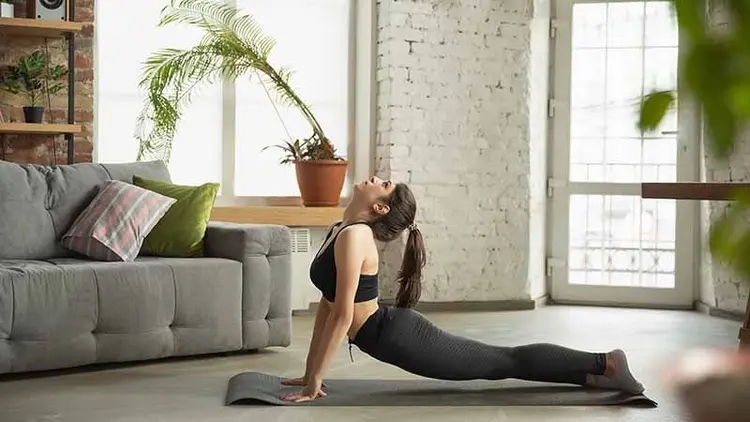
Home environments strongly influence how the body recovers from daily stress. In Singapore, where living spaces are often compact and schedules are demanding, recovery is frequently overlooked. Many people practise yoga a few times a week but struggle to maintain mobility, calmness, and consistency between classes. A well-designed home recovery corner solves this problem by creating a dedicated space that supports rest, gentle movement, and nervous system regulation.
For those attending yoga classes Singapore regularly, a simple home setup can dramatically improve recovery quality and make practice more sustainable over the long term.
Why Recovery Deserves Its Own Space at Home
Recovery does not happen by accident. It requires intention, environment, and routine. Without a designated area, recovery practices are often skipped or rushed.
A home recovery corner:
-
Reduces friction between intention and action
-
Encourages short but consistent recovery habits
-
Signals the nervous system to slow down
-
Creates separation from work and digital stress
-
Supports both physical and mental restoration
Even a small corner, when designed thoughtfully, can be highly effective.
Understanding Recovery Beyond Resting on the Sofa
Passive rest, such as scrolling on a phone or watching television, does not always support true recovery. While the body may stop moving, the nervous system often remains overstimulated.
Effective recovery involves:
-
Gentle movement to restore circulation
-
Conscious breathing to regulate stress
-
Comfortable positioning to release tension
-
Reduced sensory input
A recovery corner is designed specifically for these purposes rather than entertainment.
Choosing the Right Location in a Small Home
Space constraints are common, but recovery corners do not require large areas. The goal is consistency, not size.
Good location choices include:
-
A quiet corner of the bedroom
-
A section of the living room away from screens
-
A balcony or near a window with good airflow
-
Any area where you can sit or lie down comfortably
The space should feel calm and minimally interrupted.
Creating a Sense of Psychological Separation
Recovery is as much mental as it is physical. The space should feel different from work or daily activity zones.
Simple ways to create separation include:
-
Facing away from desks or televisions
-
Using a mat or rug reserved only for recovery
-
Keeping the area uncluttered
-
Limiting use of the space to calming activities
This separation helps the body associate the space with relaxation.
Essential Elements of a Home Recovery Corner
A recovery corner does not need expensive equipment. A few well-chosen items are sufficient.
Core elements include:
-
A yoga mat or padded surface
-
Cushions or bolsters for support
-
A blanket for comfort and warmth
-
Optional blocks or folded towels
These items support gentle stretching, restorative poses, and comfortable stillness.
Supporting the Spine and Joints Properly
Recovery-focused positioning is different from active exercise. The aim is comfort and release, not effort.
Support helps by:
-
Reducing unnecessary muscular engagement
-
Allowing joints to rest in neutral positions
-
Preventing strain during longer holds
-
Encouraging deeper relaxation
Proper support makes short recovery sessions more effective.
Lighting and Sensory Environment
Lighting has a significant impact on nervous system regulation. Bright, harsh lighting can keep the body alert when it should be calming down.
Consider:
-
Soft, warm lighting instead of overhead lights
-
Natural light during daytime recovery
-
Dimming lights in the evening
-
Avoiding screens during recovery time
A calmer sensory environment supports deeper rest.
Temperature and Ventilation Considerations
Singapore’s climate can influence comfort during recovery. Overheating or poor airflow may cause restlessness.
Simple adjustments include:
-
Light, breathable clothing
-
Gentle airflow from a fan or open window
-
Avoiding heavy blankets unless the room is cool
-
Staying hydrated before recovery sessions
Comfort supports relaxation without distraction.
Incorporating Gentle Movement Into the Space
The recovery corner is ideal for low-intensity movement rather than full workouts.
Common activities include:
-
Gentle spinal mobility
-
Supported stretches
-
Restorative yoga poses
-
Slow transitions between positions
These movements improve circulation and reduce stiffness without fatigue.
Breathwork and Stillness Practices at Home
One of the most valuable uses of a recovery corner is breathwork and stillness. These practices are easy to skip without a designated space.
Benefits include:
-
Faster stress reduction
-
Improved sleep quality
-
Better emotional regulation
-
Enhanced recovery between classes
Even five to ten minutes can make a noticeable difference.
Building a Sustainable Recovery Routine
Consistency matters more than duration. A recovery corner encourages short, repeatable habits.
Effective routines often include:
-
Five minutes of breathing after work
-
Gentle stretching before bed
-
A short morning mobility reset
-
Restorative poses on non-training days
These small routines accumulate into meaningful benefits.
Avoiding Overcomplication
One common mistake is trying to create a perfect space before starting. Recovery should be simple and accessible.
Avoid:
-
Overloading the space with equipment
-
Chasing aesthetics over function
-
Waiting for ideal conditions
-
Comparing your setup to others
Functionality and consistency matter most.
Supporting Recovery Between Studio Sessions
Studio practice provides structure and guidance, but recovery between sessions determines how the body adapts.
A home recovery corner:
-
Reinforces what is learned in class
-
Reduces muscle soreness
-
Improves mobility retention
-
Supports nervous system balance
This makes each class more effective and enjoyable.
Integrating Recovery With Busy Schedules
One of the biggest advantages of a home setup is flexibility. Recovery does not need to follow a fixed schedule.
Many people integrate recovery by:
-
Practising briefly after work
-
Using the space before sleep
-
Taking short breaks during the day
-
Listening to the body rather than the clock
This adaptability makes recovery realistic.
The Mental Impact of a Dedicated Recovery Space
Beyond physical benefits, a recovery corner supports mental clarity and emotional balance.
Regular use often leads to:
-
Reduced mental clutter
-
Improved self-awareness
-
Greater sense of control over stress
-
Increased motivation to practise consistently
The space becomes a personal reset point.
Aligning Home Practice With Studio Guidance
Recovery practices at home are most effective when aligned with what is taught in class.
Instructors often emphasise:
-
Safe joint positioning
-
Breath-led movement
-
Listening to sensation rather than forcing
-
Respecting recovery needs
Applying these principles at home reinforces learning.
Many practitioners find that insights from Yoga Edition help shape how they design and use their recovery space, ensuring it supports long-term wellbeing rather than short-term fixes.
FAQs
Q: How much space do I need for a home recovery corner?
A: Very little. Enough space to lie down or sit comfortably is sufficient, even in small apartments.
Q: Can a recovery corner replace studio practice?
A: No. It complements studio sessions by supporting recovery and consistency, but guided classes remain important.
Q: How often should I use my recovery corner?
A: Ideally daily, even for a few minutes. Consistency matters more than duration.
Q: Do I need special equipment for recovery practices?
A: No. Basic items like a mat, cushions, and a blanket are enough for most recovery needs.
Q: Is recovery only necessary if I practise intense yoga?
A: No. Recovery benefits anyone dealing with stress, sitting for long hours, or general physical tension, regardless of practice intensity.
