

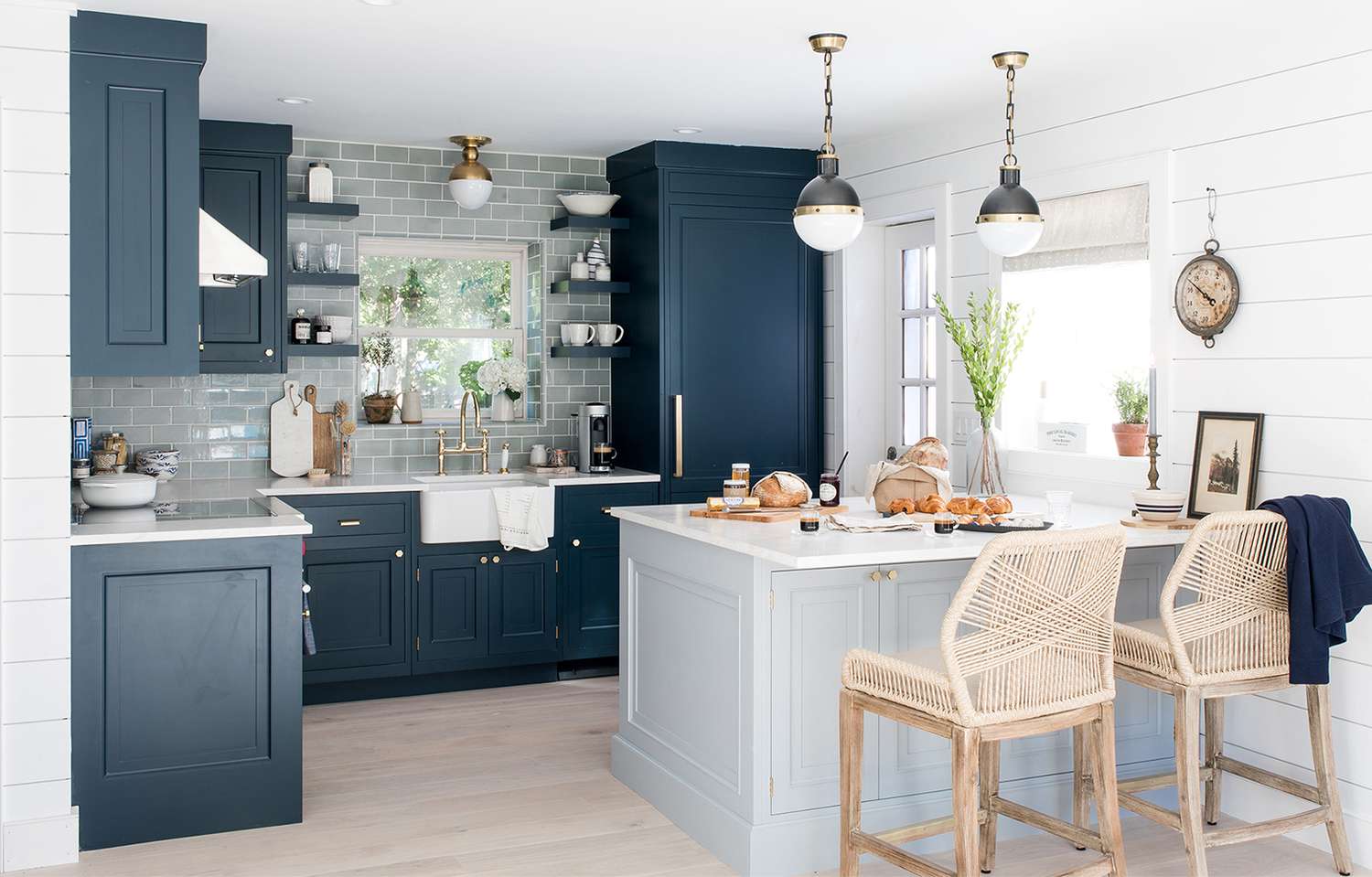
Designing a kitchen that feels both timeless and relaxed is something many Australian homeowners are striving for right now. Rather than sticking to one strict design direction, there’s a growing trend towards blending styles to create something more personal and layered.
One combination that’s gaining real traction is the fusion of traditional and coastal kitchen design. It brings together the warmth and detail of classic interiors with the light, airy feel of coastal living, a perfect match for many Perth homes.
When done well, this approach creates a kitchen that feels elegant, welcoming, and effortlessly liveable.
Why this design combination works so well
Traditional kitchens are known for their character, craftsmanship, and attention to detail. Coastal kitchens are all about openness, light, and natural textures.
When you combine the two, you get a space that:
- Feels timeless but not overly formal
- Balances structure with softness
- Works beautifully in both classic and modern homes
- Reflects the relaxed Australian lifestyle
This blend is especially suited to homes where you want a sense of refinement without sacrificing comfort.
Start with a strong foundation
The key to successfully blending styles is to start with a clear foundation. In most cases, this means leaning slightly towards one style, then layering in elements of the other.
For example, you might begin with the framework of traditional kitchens, using classic cabinetry profiles and symmetrical layouts, then soften the look with coastal-inspired finishes and colours.
This approach ensures the design feels cohesive rather than confused.
Choosing cabinetry that bridges both styles
Cabinetry plays a major role in defining your kitchen’s overall feel.
Traditional kitchens often feature shaker-style doors, detailed profiles, and decorative elements. These can be adapted to suit a more relaxed coastal aesthetic by:
- Choosing lighter paint colours
- Simplifying overly ornate details
- Pairing with more contemporary handles or fixtures
This creates a refined base that still feels fresh and relevant.
Using colour to create balance
Colour is one of the most effective ways to merge traditional and coastal design.
Traditional kitchens often lean towards warmer, richer tones, while coastal kitchens embrace lighter, breezier palettes.
To strike the right balance, consider:
- Soft whites, warm neutrals, and pale greys as a base
- Muted blues or greens for subtle coastal influence
- Timber accents to introduce warmth and texture
This combination helps create a space that feels calm without losing depth or character.
Incorporating natural materials
Coastal design is heavily influenced by nature, and bringing these elements into a traditional framework can completely transform the feel of your kitchen.
Consider incorporating:
- Timber shelving or cabinetry accents
- Stone benchtops with soft veining
- Textured splashbacks or tiled features
- Woven or organic materials in styling
These additions soften the formality of traditional design and introduce a more relaxed, lived-in feel.
Letting light shape the space
Natural light plays a huge role in coastal kitchens, and it’s something worth prioritising in any blended design.
Maximising light through:
- Large windows or splashback windows
- Light-reflective surfaces
- Open shelving instead of heavy overhead cabinetry
can instantly make your kitchen feel more spacious and inviting.
This is particularly important in Perth homes, where indoor-outdoor living is a key part of the lifestyle.
The importance of thoughtful layout
While aesthetics are important, the layout of your kitchen ultimately determines how it functions.
A well-planned layout ensures that your kitchen supports both everyday use and entertaining. This is where working with professional kitchen designers Perth homeowners trust can make all the difference.
With expert guidance, you can create a layout that seamlessly blends style with practicality, ensuring your kitchen works just as well as it looks.
Adding personality without overcomplicating the design
When blending two styles, it’s important not to overdo it. The goal is harmony, not contrast for the sake of it.
A few carefully chosen features can go a long way, such as:
- Feature lighting that complements both styles
- A statement island that anchors the space
- Subtle decorative elements that reflect your personality
Keeping the design restrained ensures it remains timeless rather than trend-driven.
Is this style right for your home
A traditional-meets-coastal kitchen is ideal if you:
- Appreciate classic design but want a lighter, more relaxed feel
- Live in a home with good natural light or coastal influence
- Want a kitchen that feels both elegant and easy to live in
- Are looking for a style that will age gracefully over time
If you’re drawn to both structured design and relaxed living, this combination offers the best of both worlds.
You can explore more examples of traditional kitchens and coastal kitchens to see how these elements come together in real projects.
Final thoughts
Blending traditional and coastal kitchen styles is a thoughtful way to create a space that feels both timeless and distinctly Australian.
By combining classic detailing with natural materials, soft colours, and a focus on light, you can achieve a kitchen that feels refined without being rigid, and relaxed without losing structure.
With the right balance, your kitchen becomes more than just a functional space. It becomes a place that reflects how you live, entertain, and enjoy your home every day.
And that’s where great design truly makes a difference.
If you want, I can also turn this into a second version with a more editorial, magazine-style tone for guest posting.
