

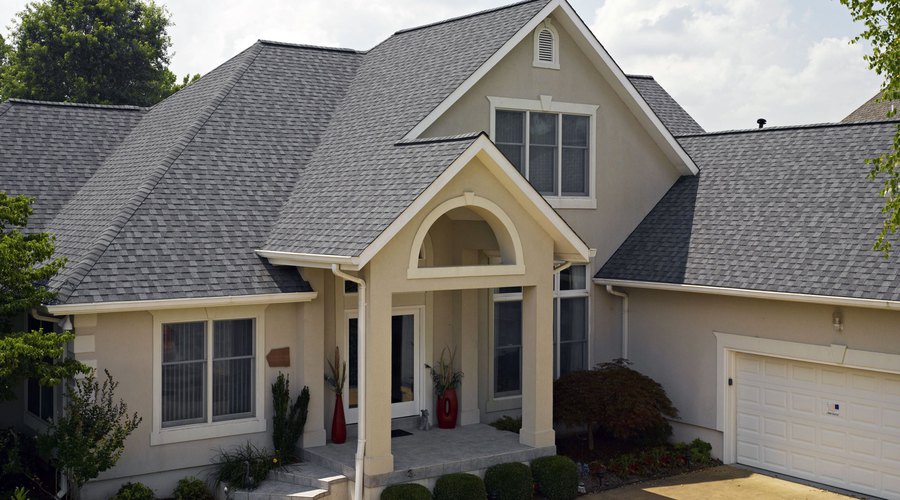
Choosing a roofing material is a long-term decision that affects comfort, durability, energy efficiency, and resale value. The right roof protects your home from weather extremes while matching your budget and architectural style. This guide breaks down every major option and explains how climate should influence your choice—so you can decide with confidence.
Why Climate Matters More Than You Think
Your local climate dictates how well a roof performs over time. Temperature swings, moisture, wind, and sun exposure all affect lifespan and maintenance needs.
Key climate factors to consider:
-
Heat intensity and UV exposure
-
Rainfall, snow, or ice accumulation
-
Wind speed and storm frequency
-
Humidity and salt air (coastal regions)
Ignoring these factors can lead to premature wear, leaks, and higher long-term costs.
Overview of Popular Roofing Materials
Asphalt Shingles
Best for: Moderate climates and budget-conscious homeowners
-
Affordable and widely available
-
Easy installation and repair
-
Lifespan: 15–30 years
-
Less ideal for extreme heat or high winds
Metal Roofing
Best for: Hot, cold, and storm-prone regions
-
Reflects heat and resists fire
-
Lightweight and durable
-
Lifespan: 40–70 years
-
Higher upfront cost but low maintenance
Clay and Concrete Tiles
Best for: Hot, dry climates
-
Excellent heat resistance
-
Heavy; may require structural reinforcement
-
Lifespan: 50+ years
-
Brittle in freezing temperatures
Slate Roofing
Best for: Cold or temperate climates
-
Extremely durable and elegant
-
Natural stone with minimal maintenance
-
Lifespan: 75–100+ years
-
Expensive and very heavy
Wood Shakes and Shingles
Best for: Mild, dry climates
-
Natural appearance and insulation benefits
-
Requires regular maintenance
-
Lifespan: 20–40 years
-
Poor choice in humid or fire-prone areas unless treated
Matching Roofing Materials to Climate Zones
Hot and Sunny Climates
Prioritize heat reflection and UV resistance.
-
Metal roofing
-
Clay or concrete tiles
-
Light-colored asphalt shingles
Cold and Snowy Regions
Focus on snow shedding and freeze resistance.
-
Metal roofing
-
Slate
-
Architectural asphalt shingles
Wet and Humid Areas
Look for moisture resistance and algae protection.
-
Metal roofing
-
Asphalt shingles with algae-resistant coatings
-
Avoid untreated wood
Coastal and High-Wind Zones
Durability and corrosion resistance are critical.
-
Standing seam metal roofs
-
Concrete tiles rated for high winds
-
Impact-resistant asphalt shingles
Energy Efficiency and Insulation Considerations
Your roof plays a major role in temperature regulation.
-
Cool roofs reflect sunlight and reduce cooling costs
-
Proper underlayment improves thermal performance
-
Ventilation prevents moisture buildup and heat trapping
Metal and tile roofs often outperform traditional shingles in energy efficiency, especially in warmer climates.
Cost vs. Longevity: Making a Smart Investment
Initial cost shouldn’t be the only deciding factor.
| Material | Average Cost | Lifespan | Long-Term Value |
|---|---|---|---|
| Asphalt Shingles | Low | 15–30 yrs | Moderate |
| Metal | Medium–High | 40–70 yrs | High |
| Clay/Concrete Tile | High | 50+ yrs | High |
| Slate | Very High | 75+ yrs | Excellent |
| Wood Shake | Medium | 20–40 yrs | Moderate |
Tip: A higher upfront cost often translates to fewer repairs and replacements over decades.
Aesthetic and Architectural Compatibility
Roofing should complement your home’s design.
-
Traditional homes pair well with asphalt or slate
-
Mediterranean styles favor clay tiles
-
Modern architecture often suits metal roofing
Neighborhood standards and local regulations may also influence your options.
Maintenance and Repair Expectations
Different materials demand different levels of care.
-
Asphalt: periodic inspections and shingle replacement
-
Metal: minimal maintenance, occasional fastener checks
-
Tile and slate: individual tile replacement when cracked
-
Wood: regular sealing and cleaning
Understanding maintenance needs upfront prevents surprises later.
Final Thoughts
The right roofing material balances climate performance, cost, durability, and appearance. By aligning your choice with environmental demands and long-term goals, you ensure your roof remains a reliable asset rather than a recurring expense.
Frequently Asked Questions
1. How do I know if my home can support a heavy roofing material?
A structural inspection by a licensed contractor or engineer can confirm whether reinforcements are needed.
2. Is metal roofing noisy during rain or hail?
With proper insulation and underlayment, metal roofs are no noisier than other materials.
3. Which roofing material offers the best resale value?
Metal and slate roofs typically boost resale value due to longevity and low maintenance.
4. Can I install a new roof over an existing one?
In some cases, asphalt shingles can be installed over old shingles, but this is not recommended for all materials or climates.
5. Are lighter-colored roofs always better for hot climates?
Generally yes, but reflective coatings and material type matter more than color alone.
6. How often should a roof be inspected?
At least once a year and after major storms to catch damage early.
7. What roofing material is best for unpredictable climates?
Metal roofing performs well across a wide range of weather conditions, making it a versatile choice.
