

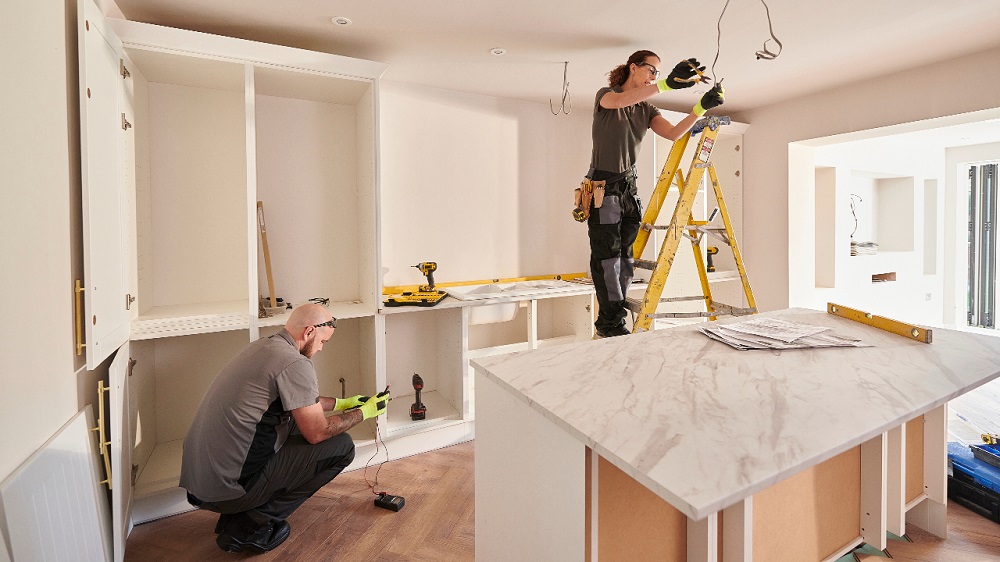
Home improvement isn’t about chasing trends—it’s about making smart, lasting upgrades that improve how your space looks, feels, and functions. Whether you’re a new homeowner or refreshing a lived-in space, the right projects can raise property value, lower utility bills, and elevate daily comfort without unnecessary expense.
Planning a home improvement project often requires comparing multiple designs and specifications. To simplify the process, homeowners can visit brand shop and explore a complete range of premium window and door solutions. Having access to detailed product information helps ensure the right fit for different architectural styles. It also makes decision-making faster and more efficient.
Why Home Improvement Matters
Thoughtful improvements do more than enhance aesthetics. They create healthier indoor environments, improve energy efficiency, and adapt your home to changing lifestyles. Small, targeted updates often deliver the biggest return—financially and emotionally.
Planning a Successful Home Improvement Project
Before lifting a hammer, clarity and preparation matter most.
Define Your Goals
Ask what you want to achieve:
-
Better functionality (storage, layout, accessibility)
-
Lower energy costs (insulation, lighting, appliances)
-
Higher resale value (kitchens, bathrooms, curb appeal)
-
Personal comfort (lighting, acoustics, air quality)
Set a Realistic Budget
Account for materials, labor, permits, and a 10–15% contingency. Prioritize projects that align with long-term goals rather than impulse upgrades.
Choose the Right Timing
Seasonality affects cost and feasibility. Exterior projects favor warmer months, while indoor renovations can happen year-round with minimal disruption.
High-Impact Home Improvement Ideas
Kitchen Upgrades That Pay Off
The kitchen often delivers the highest return on investment.
-
Reface cabinets instead of replacing them
-
Install energy-efficient appliances
-
Upgrade countertops to durable materials
-
Add task lighting under cabinets
Tip: Neutral palettes appeal broadly and age better.
Bathroom Improvements for Daily Comfort
Bathrooms benefit from upgrades that blend durability and style.
-
Replace outdated fixtures with water-saving models
-
Improve ventilation to prevent mold
-
Install slip-resistant flooring
-
Refresh with modern lighting and mirrors
Energy-Efficient Improvements
Lower bills while improving comfort.
-
Seal air leaks around doors and windows
-
Upgrade insulation in attics and walls
-
Switch to LED lighting throughout the home
-
Install smart thermostats for precise control
Flooring That Transforms a Space
Flooring impacts both appearance and maintenance.
-
Hardwood or engineered wood for timeless appeal
-
Luxury vinyl plank for moisture resistance
-
Tile for durability in kitchens and baths
-
Carpet tiles for flexible, replaceable comfort in bedrooms
Storage and Organization Solutions
Clutter-free homes feel larger and calmer.
-
Built-in shelving and closets
-
Under-stair storage
-
Multi-functional furniture
-
Garage wall systems
DIY vs. Professional Work
Knowing when to DIY saves money—and when to hire pros saves headaches.
DIY-Friendly Projects
-
Painting walls and cabinets
-
Installing hardware and fixtures
-
Simple landscaping
-
Caulking and sealing
Projects Best Left to Professionals
-
Electrical rewiring
-
Plumbing changes
-
Structural modifications
-
Roofing and major exterior work
Safety and code compliance should always guide this decision.
Sustainable Home Improvement Choices
Eco-friendly upgrades are increasingly popular and practical.
-
Low-VOC paints and finishes
-
Recycled or reclaimed materials
-
Water-efficient fixtures
-
Solar-ready roofing considerations
These choices reduce environmental impact while improving indoor air quality.
Common Mistakes to Avoid
Even well-intended projects can miss the mark.
-
Over-improving beyond neighborhood standards
-
Ignoring permits and local codes
-
Choosing trends over timeless design
-
Skipping professional inspections when needed
Maintaining Your Improvements
Protect your investment with routine care:
-
Seasonal inspections for leaks and wear
-
Regular HVAC servicing
-
Prompt repairs to prevent escalation
-
Gentle cleaning methods for finishes
Consistent maintenance extends the life of every upgrade.
Conclusion
Home improvement is most successful when guided by clear goals, practical planning, and quality execution. Focus on upgrades that enhance daily living and long-term value, and your home will reward you with comfort, efficiency, and pride for years to come.
Frequently Asked Questions (FAQs)
1. What home improvement project adds the most value?
Kitchen and bathroom updates typically deliver the highest resale value when done thoughtfully.
2. How do I prioritize projects on a tight budget?
Start with repairs and energy efficiency, then focus on cosmetic upgrades with visible impact.
3. Are permits really necessary for small renovations?
Yes, many projects require permits to meet safety and code standards, even if they seem minor.
4. How can I improve my home’s energy efficiency without major renovations?
Seal air leaks, upgrade lighting, and install a smart thermostat for immediate savings.
5. Is it better to renovate before selling a home?
Selective, neutral updates often help sell faster, but over-renovating can reduce returns.
6. How long should I plan for a typical home improvement project?
Timelines vary widely; simple updates may take days, while major renovations can take months.
7. What’s the biggest mistake homeowners make with renovations?
Failing to plan thoroughly—especially budgeting and timelines—leads to stress and overspending.
