

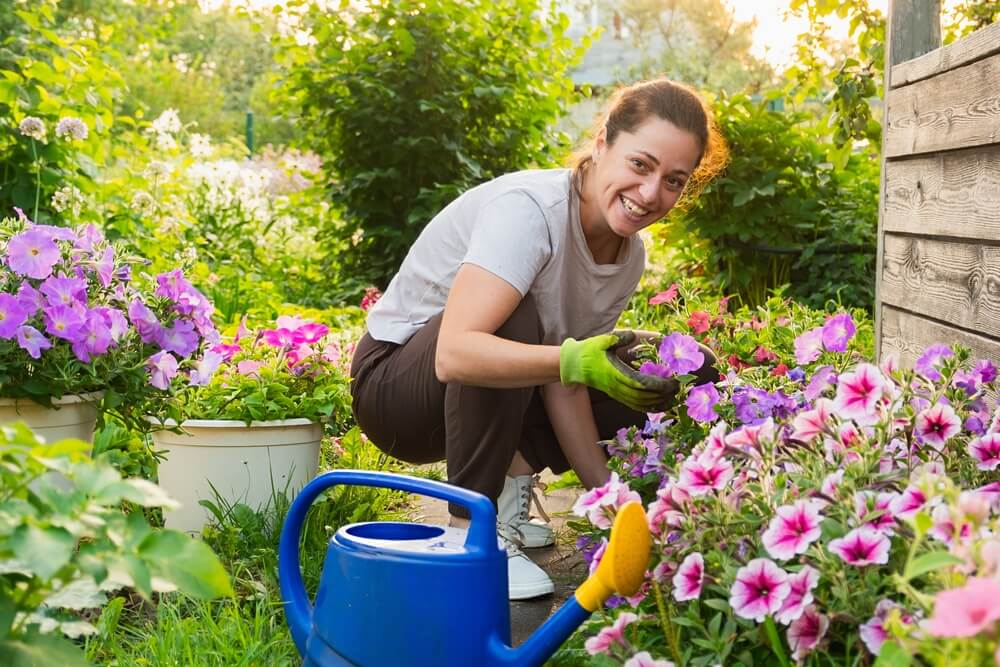
Gardening is more than a hobby—it’s a rewarding outdoor activity that connects you with nature, improves mental well-being, and enhances your living space. Whether you’re cultivating a small backyard garden or managing a larger outdoor area, understanding the basics of gardening can help you grow healthier plants and enjoy better results.
This guide focuses on practical, no-fluff gardening knowledge that works for beginners and experienced gardeners alike.
Understanding the Basics of Gardening
Before planting anything, it’s essential to understand the foundation of a successful garden. Every healthy garden depends on three core elements: soil, sunlight, and water.
Soil Preparation Matters Most
Healthy soil is the backbone of gardening. Poor soil leads to weak plants, while rich soil promotes strong roots and vibrant growth.
Key soil preparation tips:
-
Test soil pH to match plant requirements
-
Add organic compost to improve nutrients
-
Ensure proper drainage to avoid root rot
-
Loosen compacted soil for better root penetration
Choosing the Right Plants for Your Space
Not all plants thrive in every environment. Selecting plants that suit your climate and available space saves time and effort.
Consider the following when choosing plants:
-
Local climate and seasonal temperatures
-
Sun exposure (full sun, partial shade, or full shade)
-
Available garden space or container size
-
Water requirements and maintenance level
Outdoor Gardening Techniques That Work
Outdoor gardening requires consistency rather than complexity. Simple techniques often produce the best results.
Watering the Smart Way
Overwatering is a common mistake. Plants need deep, infrequent watering rather than daily light watering.
Best watering practices:
-
Water early in the morning to reduce evaporation
-
Focus water at the base of plants, not leaves
-
Adjust watering frequency during rainy periods
-
Use mulch to retain soil moisture
Mulching for Healthier Gardens
Mulch helps regulate soil temperature and reduces weed growth.
Benefits of mulching include:
-
Improved moisture retention
-
Reduced soil erosion
-
Suppressed weed growth
-
Added organic matter over time
Common mulch options are wood chips, straw, dried leaves, and compost.
Essential Gardening Tools for Outdoor Success
You don’t need expensive equipment to garden effectively. A few essential tools can handle most tasks.
Must-have gardening tools:
-
Hand trowel for planting and digging
-
Pruning shears for trimming plants
-
Garden fork for loosening soil
-
Watering can or hose with adjustable nozzle
-
Gloves for hand protection
Keeping tools clean and sharp extends their lifespan and prevents plant diseases.
Seasonal Gardening Tips
Gardening changes with the seasons. Adjusting your approach throughout the year keeps your garden productive.
Spring and Summer Care
-
Focus on planting and fertilizing
-
Monitor pests and diseases closely
-
Water consistently during hot weather
Fall and Winter Care
-
Remove dead plants and debris
-
Add compost to restore soil nutrients
-
Protect sensitive plants from frost
-
Plan next season’s garden layout
Common Gardening Mistakes to Avoid
Avoiding simple mistakes can dramatically improve gardening results.
Common errors include:
-
Planting too closely together
-
Ignoring soil quality
-
Over-fertilizing plants
-
Not researching plant needs
-
Neglecting regular maintenance
Gardening rewards patience, observation, and gradual learning.
Frequently Asked Questions (FAQs)
1. How often should I water an outdoor garden?
Water deeply 1–3 times per week depending on weather, soil type, and plant needs.
2. What is the best soil for gardening?
Loamy soil enriched with organic compost offers the best balance of nutrients, drainage, and moisture retention.
3. Can beginners start gardening without experience?
Yes, starting with low-maintenance plants and learning basic care routines is ideal for beginners.
4. How can I prevent weeds naturally?
Using mulch, hand-pulling weeds early, and maintaining healthy soil reduces weed growth naturally.
5. Is compost better than chemical fertilizer?
Compost improves long-term soil health, while chemical fertilizers offer short-term nutrient boosts. A balanced approach works best.
6. What plants are easiest to grow outdoors?
Herbs, tomatoes, lettuce, marigolds, and sunflowers are beginner-friendly outdoor plants.
7. How do I protect plants from pests without chemicals?
Encourage beneficial insects, remove pests by hand, and use natural remedies like neem oil or soapy water.
