

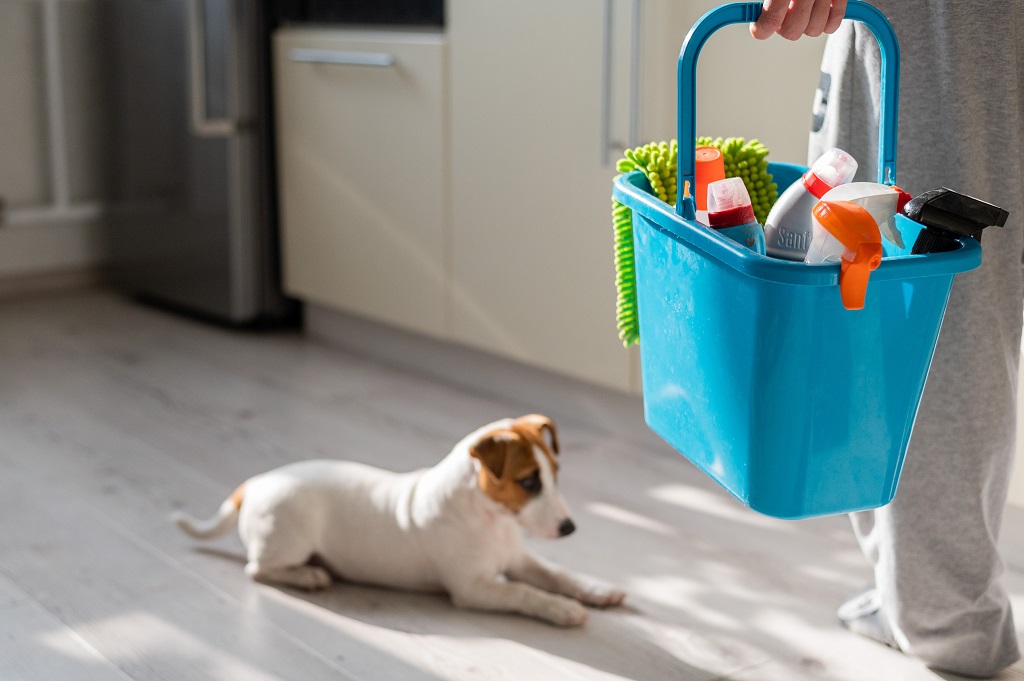
Pets bring warmth and companionship into a home, but they also introduce fur, dander, dirt, and odors that go beyond what routine cleaning can handle. Deep cleaning plays a key role in maintaining a healthy, fresh, and long-lasting living environment when pets are part of the family.
Understanding Pet-Related Build-Up
Dander and Allergens
Pets shed tiny skin particles known as dander, which settle in carpets, furniture, and air ducts. If not removed regularly through deep cleaning, these allergens can cause respiratory discomfort and trigger allergies.
Hair and Shedding
Pet hair clings to fabrics and embeds into upholstery and rugs. While routine vacuuming reduces surface buildup, deep cleaning removes the deeply trapped hair that normal upkeep often misses.
Accidents and Odors
Accidents from puppies, older pets, or even occasional mishaps leave lingering smells when not properly treated. Deep cleaning neutralizes odors at the source, preventing long-term staining and scent absorption.
Health Benefits of Deep Cleaning Pet-Friendly Homes
Cleaner Indoor Air Quality
Hair, dander, and dust reduce overall air quality. Deep cleaning minimizes allergens, making breathing easier for everyone, especially individuals with asthma or sensitivities.
Reduction of Bacteria and Germs
Pets bring microbes from outside into your living spaces. Deep cleaning helps disinfect surfaces and reduces the presence of harmful bacteria.
Less Mold and Mildew
Moist environments created by water bowls, baths, or accidents can encourage mold growth. Deep cleaning helps identify and eliminate hidden moisture problems early.
Home Maintenance Advantages
Protecting Flooring and Upholstery
Pet claws, oils, and fur can cause wear and discoloration. Deep cleaning rejuvenates surfaces and helps prevent permanent damage.
Preventing Odor Build-Up
Regular cleaning masks odors temporarily, but deep cleaning removes odor-causing particles embedded in fabrics and flooring.
Improved HVAC Efficiency
When hair and dander accumulate in vents, airflow becomes restricted. Deep cleaning helps keep HVAC systems running efficiently and extends their lifespan.
Creating a Comfortable Environment for Pets
Cleaner Living Spaces
Pets feel more comfortable in clean environments. Deep cleaning removes irritants that may affect their skin and overall well-being.
Reduced Anxiety
Pets respond to their surroundings. A home free of strong odors and clutter can contribute to calmer, happier behavior.
Safer Surfaces
Deep cleaning removes substances that may be harmful if pets lick, chew, or step on them.
How Often Should Pet Owners Deep Clean?
The ideal deep-cleaning frequency depends on the number of pets, their shedding levels, and lifestyle factors.
-
Single-pet homes: Every 3–4 months
-
Multiple-pet homes: Every 1–2 months
-
Households with allergy sufferers: Monthly
-
Homes with heavy shedders or outdoor pets: More frequent deep cleans
Key Areas to Target During a Deep Clean
Floors and Carpets
Steam cleaning helps eliminate odors and remove deeply embedded dirt and stains.
Furniture and Upholstery
Fabrics trap dander, hair, and oils, making periodic deep cleaning essential.
Pet Bedding and Accessories
Bedding, crates, and toys can harbor bacteria and odors and should be sanitized regularly.
Air Vents and Filters
Cleaning vents and replacing filters improves air circulation and reduces allergen buildup.
Walls and Baseboards
These areas collect pet oils, drool, and dander and should be included in deep-cleaning routines.
Tips to Maintain Cleanliness Between Deep Cleans
-
Brush pets frequently to minimize shedding.
-
Use pet-safe cleaners for quick messes and accidents.
-
Vacuum regularly with a HEPA-filter vacuum.
-
Wipe paws after outdoor walks.
-
Wash bedding weekly to prevent odor buildup.
FAQs
1. How can I tell it’s time for a deep clean?
If you notice persistent odors, increased allergies, or visible buildup in carpets and corners, it’s a sign that a deep clean is due.
2. Is deep cleaning safe for all pets?
It is safe when done with pet-friendly, non-toxic cleaning products and when surfaces are fully dry before pets access them.
3. Does deep cleaning help with flea or tick issues?
It can help reduce eggs and larvae in fabrics and carpets but should be paired with proper pest control treatments.
4. Should grooming be done before or after a deep clean?
After grooming is best, as it minimizes shedding and makes cleaning more effective.
5. Are professional deep-cleaning services beneficial for pet homes?
Yes, especially for carpets and upholstery, where professional equipment removes dirt more thoroughly than household tools.
6. Can deep cleaning help reduce allergies for visiting guests?
Deep cleaning significantly lowers allergen levels, making the environment more comfortable for visitors with sensitivities.
7. Which pets require more frequent deep cleaning?
Long-haired breeds, heavy shedders, and pets that spend a lot of time outdoors typically require more regular deep cleaning.
