

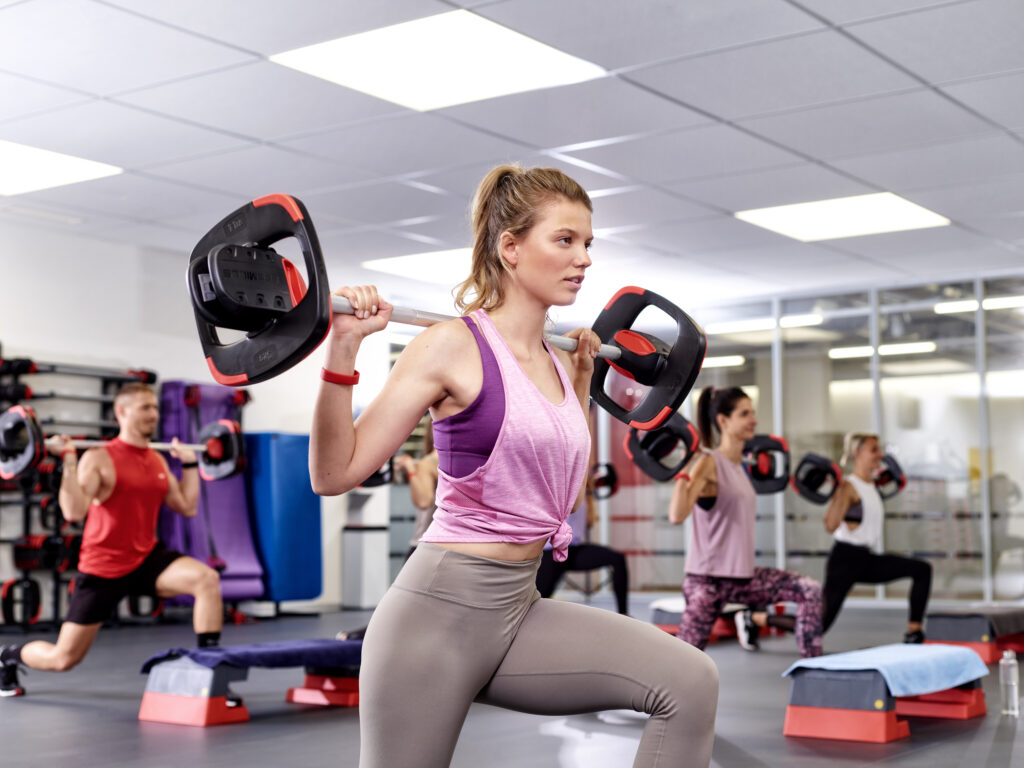
A home barbell set can support movement practice and provide a convenient way to check equipment setup between classes. However, bars, plates and collars require basic maintenance, particularly in a humid climate.
People who attend a BODYPUMP class may use compact home equipment for light practice. Looking after that equipment protects its function, reduces avoidable noise and prevents corrosion or loose components from affecting the next session.
Begin With the Manufacturer’s Instructions
Home barbell sets differ substantially. Some use solid steel bars, while others contain hollow sections or coated components. Plates may be made from iron, rubber, urethane or plastic-filled materials.
Cleaning products and maintenance methods that suit one set may damage another. Strong solvents can affect coatings, while unsuitable lubricants can make gripping surfaces slippery.
The manufacturer’s care instructions should therefore be the starting point. If those instructions are unavailable, use the least aggressive cleaning method and test it on a small area.
Home maintenance should preserve equipment, not modify its structural design.
Sweat Should Not Remain on the Bar
Sweat contains moisture and salts that can contribute to corrosion. It can also build up around grips and collars.
After use, wipe the bar and plates with a clean, slightly damp cloth where appropriate. Follow with a dry cloth so moisture does not remain on metal surfaces.
Equipment used in an air-conditioned room can still collect condensation when moved into warmer, humid air. It should be dry before being stored.
At True Fitness Singapore, commercial equipment follows facility maintenance processes. Home equipment needs a simpler but similarly consistent routine.
Inspect the Bar Before Loading It
A quick visual and physical inspection can identify problems before the set is used.
Check whether the bar appears bent, cracked or unusually loose. Examine threaded ends, sleeves and connection points. If the bar contains several sections, ensure they remain properly joined according to the manufacturer’s instructions.
A bar that feels different when rolled on a flat surface may be bent, although some compact designs naturally have minor variation.
Equipment with visible structural damage should not be loaded until it has been assessed or replaced.
Collars Need Particular Attention
Collars keep plates in position. A worn, cracked or poorly secured collar can allow plates to move during exercise.
Check clips for tension and inspect plastic locking parts for damage. Screw-style collars should turn smoothly and tighten securely without being forced.
A collar that repeatedly loosens should not be repaired with improvised materials such as tape. Replacement is safer and usually inexpensive compared with the consequences of a moving plate.
Collars should be stored with the bar so they are not misplaced or damaged under heavier equipment.
Plate Openings Can Collect Dirt
The centre opening of a plate contacts the bar repeatedly. Dust, sweat and small debris can build up around this area.
Wipe plate openings periodically and check for cracks or deformation. A damaged opening may prevent the plate from sitting evenly.
Rubber-coated plates should be examined for separation, cuts or sticky surfaces. Plastic shells can crack if dropped or stored under uneven pressure.
Small cosmetic marks are not always a concern. Structural damage that changes how the plate fits or carries load is more important.
Humidity Changes Storage Requirements
Singapore’s humidity can accelerate corrosion, particularly when equipment is stored near windows, balconies, bathrooms or laundry areas.
Bars and plates should be kept in a dry, ventilated indoor location. Direct contact with a damp floor should be avoided.
A dehumidifier or air-conditioned storage area may help, but equipment should not rely solely on the room system. It still needs to be wiped dry.
Desiccant packs can support enclosed storage, provided they are replaced and kept away from children and pets. They do not replace ventilation or cleaning.
Horizontal and Vertical Storage Have Different Risks
A bar stored horizontally needs adequate support so it does not rest unevenly across one small point. A wall rack should be securely installed and rated for the load.
Vertical storage uses less floor space, but the bar must be stable and unable to fall. It should not lean loosely against a wall in a walkway.
Plates should be stored flat or on a suitable rack. Tall, unstable stacks can fall when one plate is removed.
Storage decisions should consider children, pets and other household members who may not understand the equipment.
Protect the Floor Without Creating Instability
Dropping even light plates repeatedly can damage tiles, timber or laminate. A suitable exercise mat can protect the surface and reduce noise.
The mat should remain flat and provide enough grip. Very soft foam may compress unevenly during loaded movements and make the participant feel unstable.
Barbells should not be used on furniture rugs that slide or bunch. The training surface needs to support predictable foot placement.
In apartments, noise transmission should also be considered. Controlled placement is more appropriate than dropping the bar after a track.
Do Not Apply Oil to Gripping Areas
Some metal components may require specific lubrication, but oil should not be applied casually to the bar’s gripping surface.
A slippery bar increases the risk of losing control. Excess oil can also transfer to hands, floors and plates.
If a sleeve, thread or moving component requires lubrication, follow the manufacturer’s recommendation and remove all excess product.
Household cooking oil is not a suitable equipment treatment. It can become sticky, collect dirt and create unpleasant odours.
Keep a Simple Maintenance Record
Home equipment does not need an industrial service log. A brief record can still be useful.
Note when the set was cleaned thoroughly, when collars were replaced and whether any plate or bar section is showing wear.
Photographs can help track whether a crack or corrosion patch is changing. If deterioration progresses, the component can be replaced before it fails during use.
A record is particularly useful when several household members share the equipment.
Separate Equipment Practice From Unplanned Overload
Having a bar at home can encourage extra sessions between classes. More work is not automatically better.
Light technique practice may be useful, but repeated high-volume sessions can reduce recovery before the next BODYPUMP day.
Home practice should have a clear purpose. It might involve checking grip placement, rehearsing a clean transition with minimal load or performing mobility work.
Trying to reproduce an entire class without sufficient space, flooring or coaching may create more risk than benefit.
Frequently Asked Questions
Q: How often should I clean a home barbell?
A: Wipe it after sweaty use and perform a more detailed inspection regularly. Frequency depends on use, storage and humidity.
Q: Can I store a barbell on a balcony?
A: It is generally unsuitable because heat, rain exposure and humidity can accelerate deterioration. Dry indoor storage is preferable.
Q: Should I wash rubber plates with strong disinfectant?
A: Only if the manufacturer confirms the product is safe. Strong chemicals can damage coatings or leave slippery residue.
Q: Can a slightly cracked collar still be used with light weight?
A: It should be replaced. A damaged collar may fail unpredictably even when the load is modest.
Q: Do I need a home barbell to improve at BODYPUMP?
A: No. Regular class participation, appropriate load selection and recovery can support progress without additional home equipment.
