

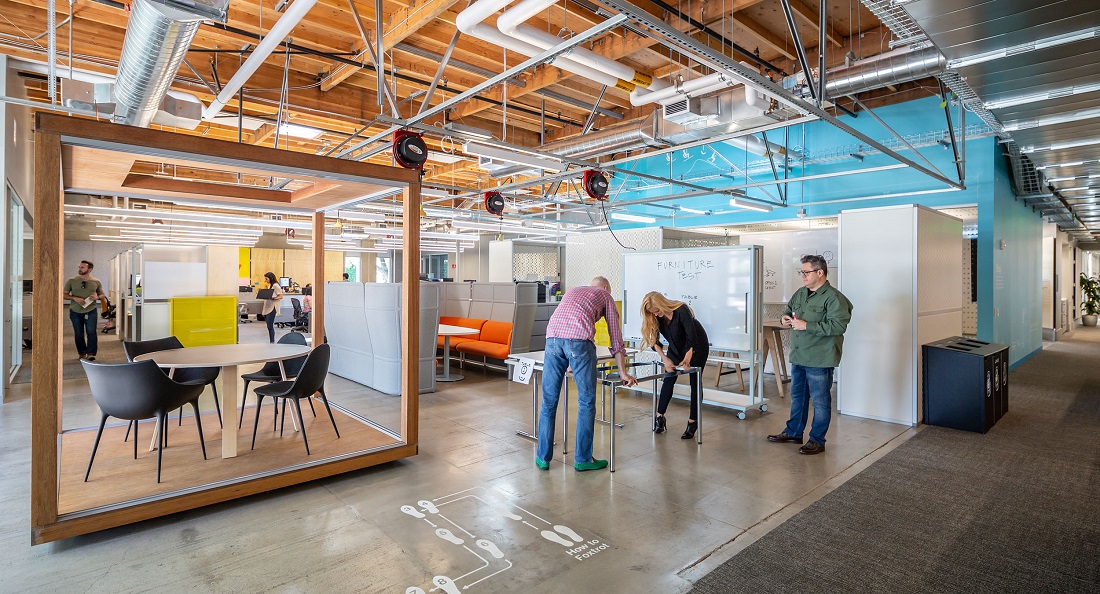
The global workplace is undergoing a structural shift. Traditional nine-to-five office models are giving way to flexible workspaces, reshaping how businesses use real estate and how investors assess commercial property demand. This transformation is not a passing trend but a long-term response to changing work habits, economic pressures, and technological progress.
As organizations rethink where and how work happens, flexible workspaces have emerged as a central pillar in the modern commercial property ecosystem.
Understanding Flexible Workspaces
Flexible workspaces are office environments designed to adapt quickly to changing business needs. Unlike long-term, fixed leases, these spaces prioritize scalability, short-term commitments, and shared resources.
Common Types of Flexible Workspaces
-
Coworking spaces used by freelancers, startups, and remote teams
-
Serviced offices offering fully managed, ready-to-use work environments
-
Hybrid office models blending private offices with shared amenities
-
Hot-desking and shared desks that reduce unused office space
These formats allow businesses to pay only for what they need, when they need it.
Why Flexible Workspaces Are Gaining Momentum
Several converging forces are accelerating the adoption of flexible offices across industries.
1. The Shift Toward Hybrid and Remote Work
The rise of hybrid work has reduced the need for large, centralized offices. Companies now seek smaller, adaptable spaces that support collaboration without committing to permanent occupancy.
2. Cost Efficiency and Financial Agility
Flexible workspaces help businesses:
-
Avoid high upfront capital expenditure
-
Reduce long-term lease liabilities
-
Adjust space requirements as teams grow or contract
This financial agility is particularly attractive during economic uncertainty.
3. Talent Attraction and Workforce Preferences
Modern employees value:
-
Location flexibility
-
Access to collaborative environments
-
Shorter commutes and regional office hubs
Flexible offices support these preferences, making them a strategic asset in talent retention.
Impact on Commercial Property Demand
The growth of flexible workspaces is reshaping demand patterns across the commercial real estate sector.
Declining Demand for Traditional Long-Term Leases
Large, single-tenant office floors are seeing reduced demand as companies downsize or decentralize. Long-term leases are increasingly viewed as financial risks rather than assets.
Rising Demand for Adaptable Office Assets
Property owners are seeing stronger interest in buildings that can support:
-
Modular floor plans
-
Shared amenities
-
Technology-enabled access control
Buildings designed for adaptability are better positioned to attract flexible workspace operators.
Increased Value of Prime Urban and Suburban Locations
Flexible workspaces perform best in:
-
City centers with strong transport links
-
Suburban hubs closer to residential areas
This dual demand is redistributing value away from single-core business districts toward mixed-use zones.
Changing Role of Landlords and Investors
Landlords are no longer passive rent collectors. Many are becoming workspace providers, partnering with operators or launching in-house flexible office brands.
Key Changes for Property Owners
-
Revenue models shifting from fixed rent to service-based income
-
Greater focus on occupancy rates and user experience
-
Increased operational involvement in building management
Investors are also adjusting valuation models to account for higher yields paired with higher operational complexity.
Long-Term Implications for the Commercial Real Estate Market
The rise of flexible workspaces signals a broader evolution rather than a disruption.
-
Office demand is becoming more dynamic, not obsolete
-
Quality, location, and adaptability now outweigh sheer size
-
Mixed-use developments are gaining long-term relevance
Commercial properties that fail to adapt risk higher vacancy rates, while flexible-ready assets are positioned for sustained demand.
The Future Outlook
Flexible workspaces are expected to continue expanding, supported by:
-
Ongoing hybrid work adoption
-
Growth of project-based employment
-
Increased emphasis on employee experience
Rather than replacing traditional offices entirely, flexible workspaces are redefining how office space is consumed and valued.
FAQs
What industries benefit most from flexible workspaces?
Technology, creative services, consulting, startups, and professional services benefit most due to fluctuating team sizes and project-based work.
Are flexible workspaces profitable for property owners?
Yes, when managed efficiently. While operational costs are higher, flexible spaces often generate higher revenue per square foot.
Do flexible offices reduce the need for corporate headquarters?
They reduce the size and importance of centralized headquarters but do not eliminate the need for physical offices entirely.
How do flexible workspaces affect office vacancy rates?
They help absorb excess office supply by repurposing underutilized spaces into shared, adaptable environments.
Are flexible workspaces suitable for large enterprises?
Yes. Many large corporations use flexible offices for satellite locations, innovation hubs, or temporary project teams.
Will traditional office buildings become obsolete?
No. Buildings that evolve with adaptable layouts, modern amenities, and strong locations will remain in demand.
How should investors evaluate flexible workspace assets?
Investors should assess operator quality, occupancy trends, revenue diversification, and the building’s ability to adapt to future workplace needs.
