

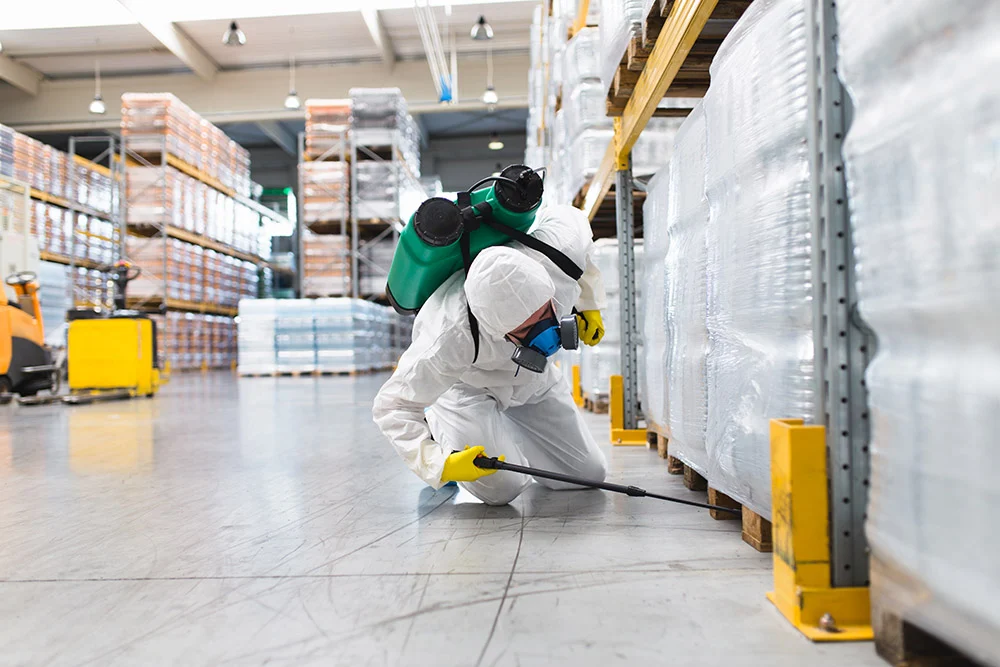
Pest control plays a crucial role in maintaining a healthy, hygienic, and comfortable environment. Whether it’s insects invading your kitchen or rodents damaging property, timely and effective pest management helps prevent health risks and long-term structural issues.
Understanding Pest Control
Pest control involves managing and eliminating organisms that negatively affect human health, property, or daily activities. These organisms may include insects, rodents, or other unwanted creatures that thrive in residential, commercial, or agricultural spaces.
Rather than focusing only on extermination, modern pest control emphasizes prevention, monitoring, and sustainable solutions.
Common Household Pests You Should Know
Many pests thrive indoors due to access to food, shelter, and moisture.
-
Crawling insects: Ants, cockroaches, termites
-
Flying insects: Mosquitoes, flies, wasps
-
Rodents: Rats and mice
-
Fabric and food pests: Moths, beetles
Identifying the pest correctly is the first step toward effective treatment.
The Importance of Pest Control
Unchecked pest infestations can escalate quickly and cause serious problems.
Health and Hygiene
Pests are known carriers of bacteria, viruses, and allergens. Rodents and cockroaches, in particular, contaminate food surfaces and contribute to respiratory issues.
Structural Safety
Termites and rodents can weaken foundations, furniture, and electrical wiring, leading to expensive repairs if ignored.
Peace of Mind
A pest-free home improves comfort, reduces anxiety, and promotes better sleep and productivity.
Different Pest Control Approaches
Choosing the right pest control method depends on the type and severity of infestation.
Chemical Control
This method uses approved pesticides to eliminate pests efficiently. When applied by trained professionals, it is both effective and safe.
Biological Control
Natural predators or organisms are used to suppress pest populations, making this method environmentally responsible.
Physical and Mechanical Control
Includes traps, sealing entry points, and barriers to physically prevent pests from entering or spreading.
Integrated Pest Management (IPM)
IPM combines multiple strategies with a focus on long-term prevention and minimal chemical usage, making it one of the most effective modern approaches.
Professional Pest Control vs. Home Remedies
DIY pest control solutions may provide temporary relief but often fail to address the root cause.
Professional pest control offers:
-
Thorough inspections
-
Targeted treatment plans
-
Long-lasting results
-
Safe application methods
For recurring or large infestations, expert services are the most reliable option.
Practical Tips to Prevent Pest Problems
Preventive care reduces the chances of infestations significantly.
-
Keep food sealed and stored properly
-
Eliminate standing water and moisture
-
Seal cracks, vents, and gaps
-
Dispose of waste regularly
-
Maintain clean kitchens and storage areas
Consistent habits make your space less attractive to pests.
Environmentally Responsible Pest Control Options
Many people now prefer eco-conscious pest control solutions.
-
Plant-based pesticides
-
Heat and cold treatments
-
Humane rodent control
-
Habitat modification
These methods reduce environmental impact while remaining effective.
How to Select a Reliable Pest Control Provider
Before hiring a pest control service, look for:
-
Proper licensing and certification
-
Experience with specific pests
-
Clear safety practices
-
Follow-up or maintenance plans
-
Honest pricing and guarantees
A trustworthy provider ensures both safety and effectiveness.
Final Thoughts
Pest control is an essential part of maintaining a safe and healthy environment. Through preventive measures, professional treatments, and eco-friendly practices, pest issues can be managed effectively. Addressing problems early not only protects your property but also safeguards your well-being in the long run.
Frequently Asked Questions (FAQs)
1. How long does a typical pest control treatment last?
Results can last from a few weeks to several months, depending on the treatment type and pest.
2. Can pest control treatments be customized?
Yes, professional services tailor treatments based on infestation type, severity, and property layout.
3. Is pest control effective during all seasons?
Yes, though certain pests are more active in specific seasons, year-round control is recommended.
4. What signs indicate a pest infestation?
Droppings, unusual smells, damaged food packaging, and scratching sounds are common indicators.
5. Are eco-friendly pest control methods reliable?
They are effective for prevention and mild infestations but may require professional support for severe cases.
6. Should I leave my home during pest treatment?
In most cases, it is not necessary, but some treatments may require temporary absence.
7. Does pest control increase property value?
Yes, maintaining a pest-free property helps preserve structural integrity and overall value.
