

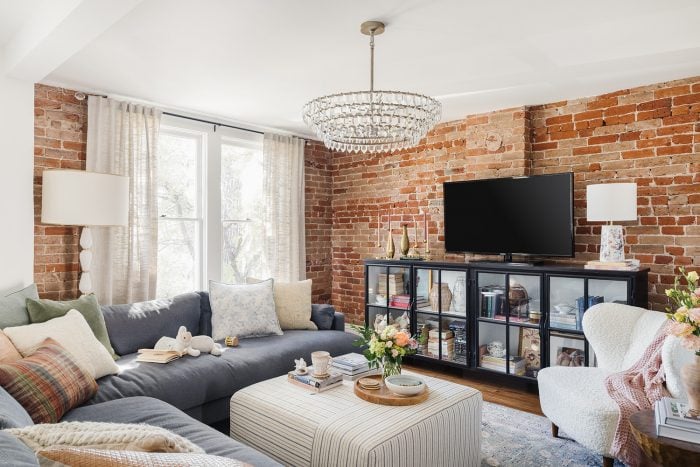
Interior design is the art and science of transforming indoor spaces into environments that support comfort, efficiency, and visual harmony. Beyond surface-level beauty, it addresses how people move, interact, and feel within a space. A thoughtfully designed interior tells a story—one that reflects lifestyle, values, and practical needs.
Understanding the Essence of Interior Design
Interior design blends creativity with problem-solving. It considers architectural elements, spatial flow, lighting conditions, and material choices to enhance the usability of a space while maintaining aesthetic appeal. Successful interiors feel intuitive, not forced, and evolve naturally with the people who use them.
Core Concepts That Define Good Interior Design
Space Planning and Layout
Effective design begins with understanding how a space will be used. Proper layout planning ensures:
-
Smooth movement between areas
-
Clear zoning for different activities
-
Efficient use of available square footage
Color Psychology
Colors influence mood and perception. Warm tones create coziness, while cool shades promote calmness and clarity. Neutral palettes provide flexibility and longevity, allowing interiors to adapt over time.
Texture and Material Balance
Combining varied textures—such as wood, fabric, metal, and stone—adds depth and character. Balance prevents a space from feeling flat or overwhelming.
Interior Design Styles That Influence Modern Homes
Minimalist Design
Minimalist interiors focus on clarity and simplicity. Clean surfaces, functional furniture, and restrained color palettes create calm, clutter-free spaces.
Modern Classic Design
This style blends contemporary simplicity with timeless details. It offers elegance without excess, making it ideal for long-term appeal.
Industrial Design
Inspired by warehouses and lofts, industrial interiors highlight raw materials, exposed structures, and neutral tones for a bold, urban look.
Scandinavian Design
Known for its warmth and practicality, Scandinavian design emphasizes natural light, soft colors, and functional comfort.
Key Elements That Shape Interior Spaces
A cohesive interior relies on the thoughtful integration of essential elements.
-
Lighting: Combines ambient, task, and accent lighting for depth and functionality
-
Furniture: Balances comfort, proportion, and visual weight
-
Accessories: Adds personality through art, textiles, and décor
-
Storage Solutions: Maintains organization without compromising style
Each element plays a supporting role in creating a unified environment.
How Interior Design Impacts Well-Being
Interior design directly affects mental and physical comfort. Well-designed spaces can:
-
Reduce stress and visual clutter
-
Improve focus and productivity
-
Encourage relaxation and better sleep
-
Enhance social interaction
Design choices influence how a space feels long after the first impression.
Sustainable and Smart Interior Design Trends
Modern interior design increasingly embraces sustainability and technology.
-
Eco-conscious materials with low environmental impact
-
Energy-efficient lighting and appliances
-
Smart home integrations for convenience and control
-
Long-lasting designs that reduce frequent replacements
These approaches support both environmental responsibility and long-term value.
Planning a Successful Interior Design Project
A structured approach ensures smoother execution and satisfying results.
-
Identify functional requirements and lifestyle needs
-
Establish a clear budget and priorities
-
Select a design style that aligns with long-term goals
-
Focus on layout and lighting before décor
-
Invest in quality pieces that offer durability
Careful planning minimizes costly revisions and enhances design longevity.
Frequently Asked Questions
Why is interior design important for everyday living?
Interior design improves comfort, usability, and emotional well-being by shaping environments that support daily activities.
Can interior design work on a limited budget?
Yes, strategic planning, neutral foundations, and selective upgrades can create impactful results without overspending.
How do I choose an interior design style for my home?
Consider your lifestyle, maintenance preferences, and long-term comfort rather than short-term trends.
What role does lighting play in interior spaces?
Lighting affects mood, functionality, and how colors and materials appear throughout the day.
Is professional interior design necessary for renovations?
While not mandatory, professional guidance helps avoid layout mistakes and improves overall efficiency and aesthetics.
How can interior design make small rooms feel larger?
Smart layouts, light colors, mirrors, and multifunctional furniture help maximize perceived space.
How often should interior design trends be updated?
Major updates are not frequent; timeless foundations with occasional refreshes keep interiors current without constant redesign.
