

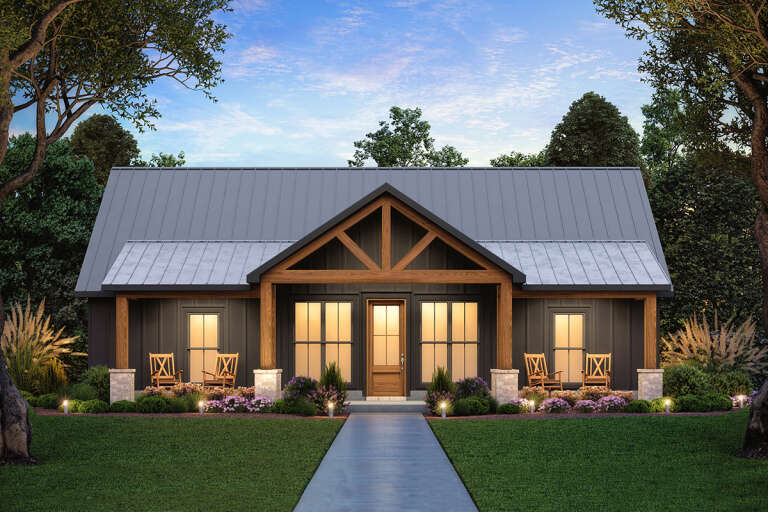
Building a barn-style home is more than just choosing a house design, it is about creating a lifestyle that blends rustic charm with modern comfort. Homeowners across the country are turning to barn homes for their spacious layouts, natural aesthetics, and cost-efficient structures. Whether you are envisioning a family residence, a vacation retreat, or a multi-functional property, understanding the essential steps in the design and construction process will help you bring your dream to life. For anyone considering this path, you can find more information to guide your decisions and explore proven design options.
Why Barn Homes Have Become Popular
Barn homes are not just about looks. Their rise in popularity comes from practical, financial, and lifestyle benefits that traditional homes may not always provide.
-
Spacious Interiors: Barn homes often feature open floor plans with high ceilings, making them ideal for families who want adaptable spaces.
-
Cost-Effective Construction: Building with post-frame or steel-frame methods can often reduce materials and labor costs.
-
Energy Efficiency: With modern insulation, energy-efficient windows, and smart climate systems, these homes can significantly lower monthly utility bills.
-
Rustic Yet Modern Appeal: A barn home balances classic rural charm with contemporary finishes like hardwood flooring, lofts, and sleek kitchens.
This combination of affordability, function, and beauty explains why barn-style houses are no longer limited to farms or rural areas.
Choosing the Right Barn Home Design
The design process is where your vision begins to take shape. The structure and layout should reflect how you intend to use the space.
Factors to Consider
-
Size and Layout: Decide how many bedrooms and bathrooms are needed. Consider whether you want a large open loft, a wraparound porch, or extra storage areas.
-
Material Selection: Wood offers warmth and tradition, while steel adds durability and low maintenance. Many homeowners mix both for a balanced result.
-
Exterior Style: Options include classic gambrel roofs, modern gables, or hybrid styles that merge rustic charm with sleek lines.
-
Future Use: Plan for long-term needs, such as guest quarters, offices, or even multi-generational living spaces.
By addressing these points early, you can prevent costly changes during construction.
The Building Process Step by Step
Constructing a barn home follows a sequence that requires careful planning and execution.
1. Initial Planning and Budgeting
Before breaking ground, determine your budget and secure financing if necessary. Factor in permits, materials, land preparation, and design services.
2. Site Preparation
The land must be cleared and leveled. Drainage, soil quality, and access to utilities are essential considerations that affect long-term stability.
3. Framing and Structure
Post-frame or steel-frame construction gives barn homes their iconic open interiors. This stage sets the foundation for walls, ceilings, and rooflines.
4. Roofing and Siding
Metal roofs and durable siding materials are popular for longevity and weather resistance. They also contribute to the home’s distinctive barn-like character.
5. Interior Work
This includes insulation, plumbing, wiring, drywall, and finishes. Since barn homes often have large open areas, design choices like exposed beams and loft spaces become focal points.
6. Final Touches
Once utilities and finishes are installed, landscaping and decorative details complete the property, turning it from a structure into a personalized home.
Cost Considerations
Barn homes can be more affordable than conventional houses, but costs still vary widely based on design and materials.
-
Basic builds may cost less per square foot due to simpler framing.
-
Custom finishes such as hardwood floors, luxury kitchens, or specialty windows increase expenses.
-
Location factors like land value, access to utilities, and permit fees can significantly influence the overall price.
It is important to work with builders who provide transparent estimates to avoid surprises during the project.
Lifestyle Benefits of Barn Homes
Owning a barn-style home is more than just having a unique property, it is about lifestyle advantages that support comfort, functionality, and individuality.
-
Multi-Use Flexibility: Barn homes are excellent for combining residential and business spaces, such as home offices, workshops, or event areas.
-
Connection to Nature: Large windows, open porches, and natural finishes create harmony with the outdoors.
-
Community Value: Many barn homes are designed with gathering spaces, making them ideal for entertaining family and friends.
Common Mistakes to Avoid
Even though barn homes are practical, mistakes during design and construction can create long-term problems.
-
Underestimating Costs: Skipping a detailed budget can lead to financial stress mid-project.
-
Ignoring Local Codes: Zoning restrictions and permit requirements must be checked before construction.
-
Poor Site Choice: Building on land with drainage issues or poor soil can cause structural concerns later.
-
Overlooking Storage Needs: While open designs are beautiful, storage must be intentionally planned.
Avoiding these pitfalls ensures a smoother experience.
Practical Design Ideas
Some homeowners go beyond the basics with creative features that enhance both style and usability.
-
Adding loft bedrooms with skylights for natural light.
-
Installing barn doors inside for functional charm.
-
Incorporating outdoor living areas like fire pits or covered patios.
-
Designing multi-car garages that blend seamlessly with the main structure.
These details make the home not just functional but truly enjoyable.
FAQs About Barn Homes
Q. How long does it take to build a barn home?
A. Timelines vary based on size and complexity, but most projects take between 6 to 12 months. Custom designs may require more time for permits and finishes.
Q. Are barn homes durable in harsh weather?
A. Yes, especially when built with steel frames and high-quality siding. With proper insulation and roofing, they can withstand snow, wind, and rain effectively.
Q. Do barn homes require more maintenance than traditional houses?
A. Not necessarily. Modern materials such as steel siding and metal roofs reduce maintenance compared to wood-only structures.
Q. Can barn homes increase property value?
A. Absolutely. Unique architecture and versatile layouts often make these homes attractive to buyers, particularly in areas where rustic-modern living is in demand.
Q. Is financing for barn homes different from regular houses?
A. Some lenders may require specific documentation, but many offer conventional loans for barn homes, especially if the structure meets residential building codes.
